


Living with Volcanoes on the Colorado Plateau
Science Moab talks to Dr. Michael Ort about how an ancient explosion may have helped Indigenous populations grow
Science Moab talks to Dr. Michael Ort about how an ancient explosion may have helped Indigenous populations grow
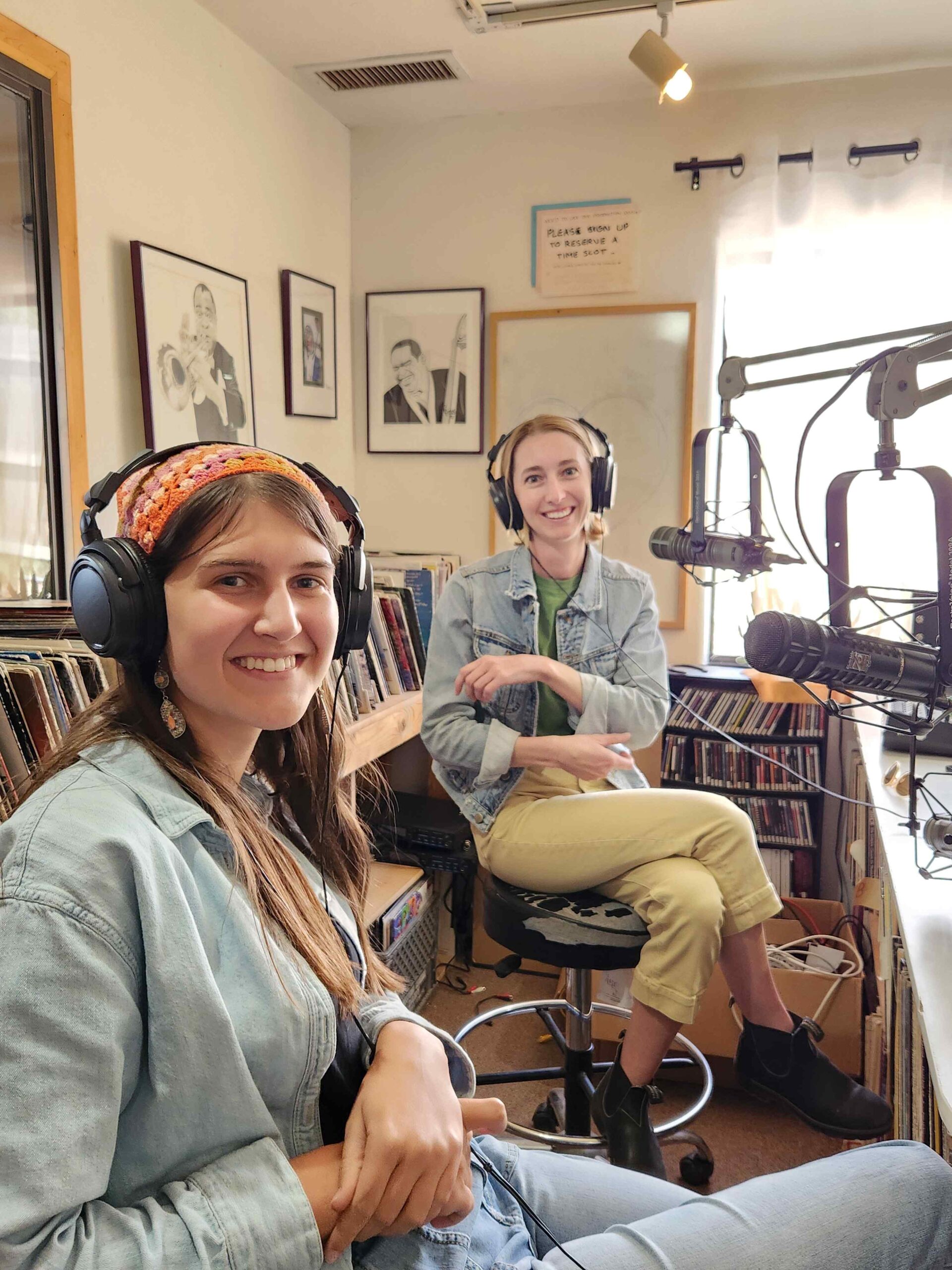
The following is part of a series of stories from Science Moab’s School to Science program, which pairs students with scientist mentors in the field, the lab, and museums. School to Science launched in August 2021 and has now served almost 60 students from Grand County High School and the Grand County Student Career and Success Center.

Here on the Colorado Plateau, old-growth juniper and pinyon pine trees can live for 1,000 years. Can these ancient trees remember things that happened to them years ago? Science Moab explored this enchanting…

Ecologist Dr. Kristina Young crouches down on a patch of slickrock somewhere in the Colorado Plateau, her nose about a foot away from the desert floor. She points to a patch of bumpy,…

Science Moab talks to Erin Baxter about the archaeology of death
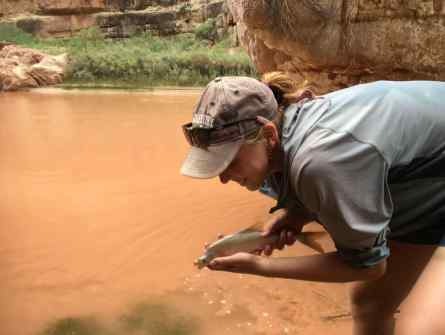
Phoebe works to investigate how the endangered fish can thrive.

Science Moab speaks with Kari Veblen, Utah State University professor of rangeland ecology. The Veblen lab at USU includes a diverse group of field-based ecologists who work on both public and private lands…

Sagebrush once stretched across almost 500,000 square miles from the Dakotas to California. Each year, a million acres are lost to invasive species, catastrophic wildfire, development, improper grazing and climate change. Matt Cahill…

Today we’re talking about the Native American Tribes Upholding Restoration and Education, or N.A.T.U.R.E. program, a science and conservation leadership program for Indigenous college students in the Four Corners region. The program is…

Science Moab speaks with Professor Paul Rogers,
director of the Western Aspen Alliance