

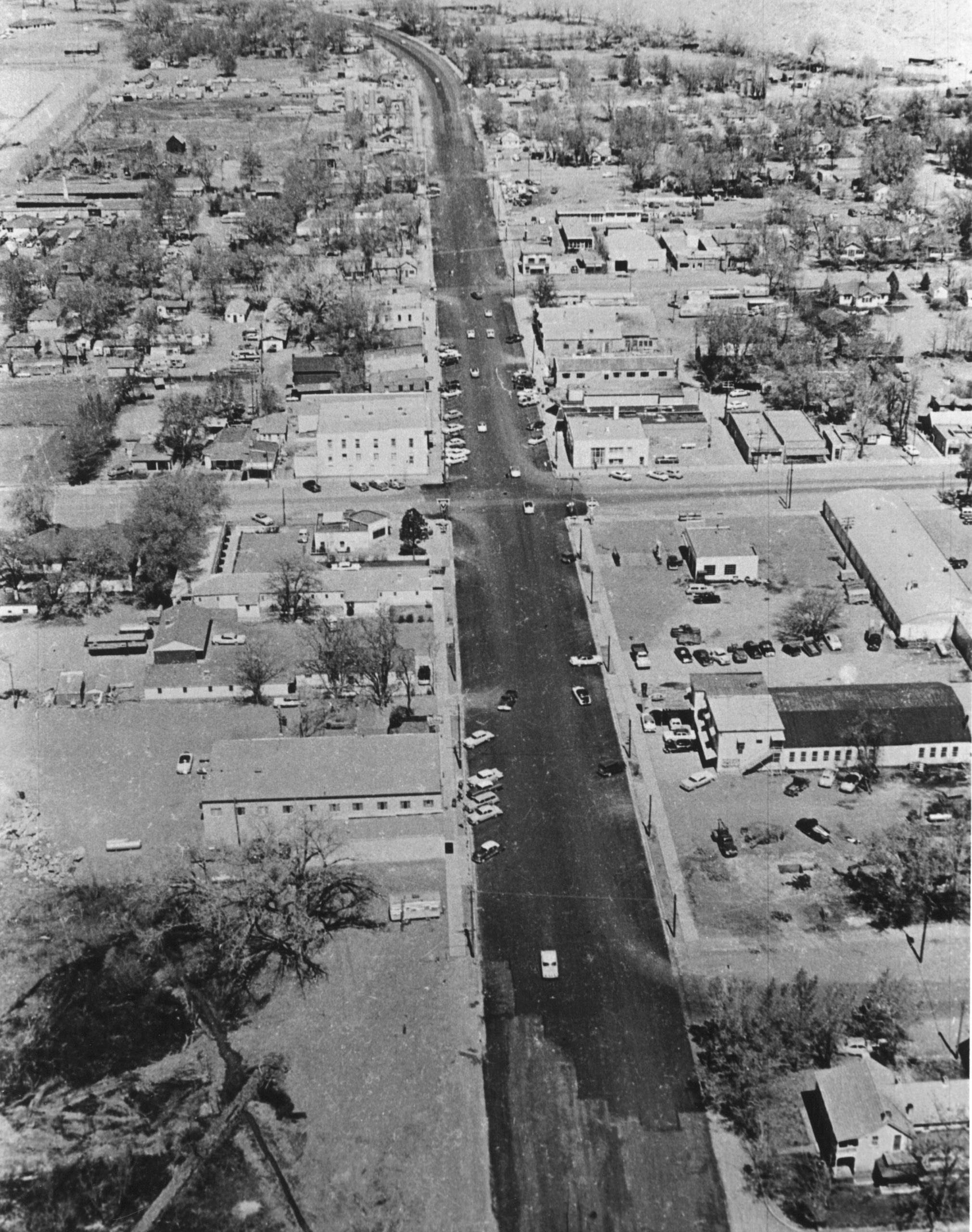
Moab History: Downtown on camera
The uranium mining boom of the 1950s changed Moab tremendously, transforming the sleepy, remote city into a bustling, affluent boomtown. While a lot changed overnight, other facets of the town’s growth took time….
The uranium mining boom of the 1950s changed Moab tremendously, transforming the sleepy, remote city into a bustling, affluent boomtown. While a lot changed overnight, other facets of the town’s growth took time….

For many years, Moab held a parade in recognition of Pioneer Day.
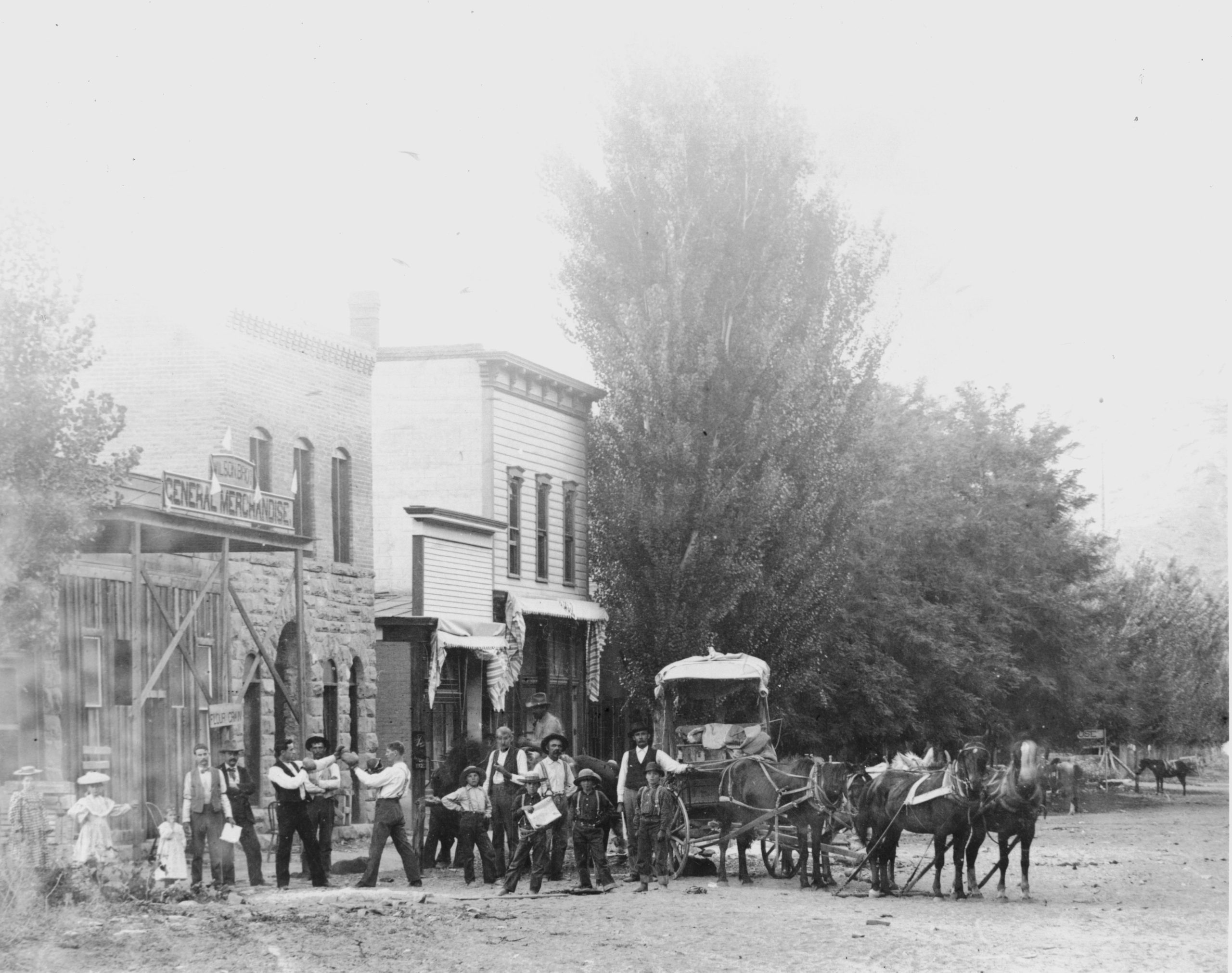
Around 1900, Moab looked radically different than it does today.
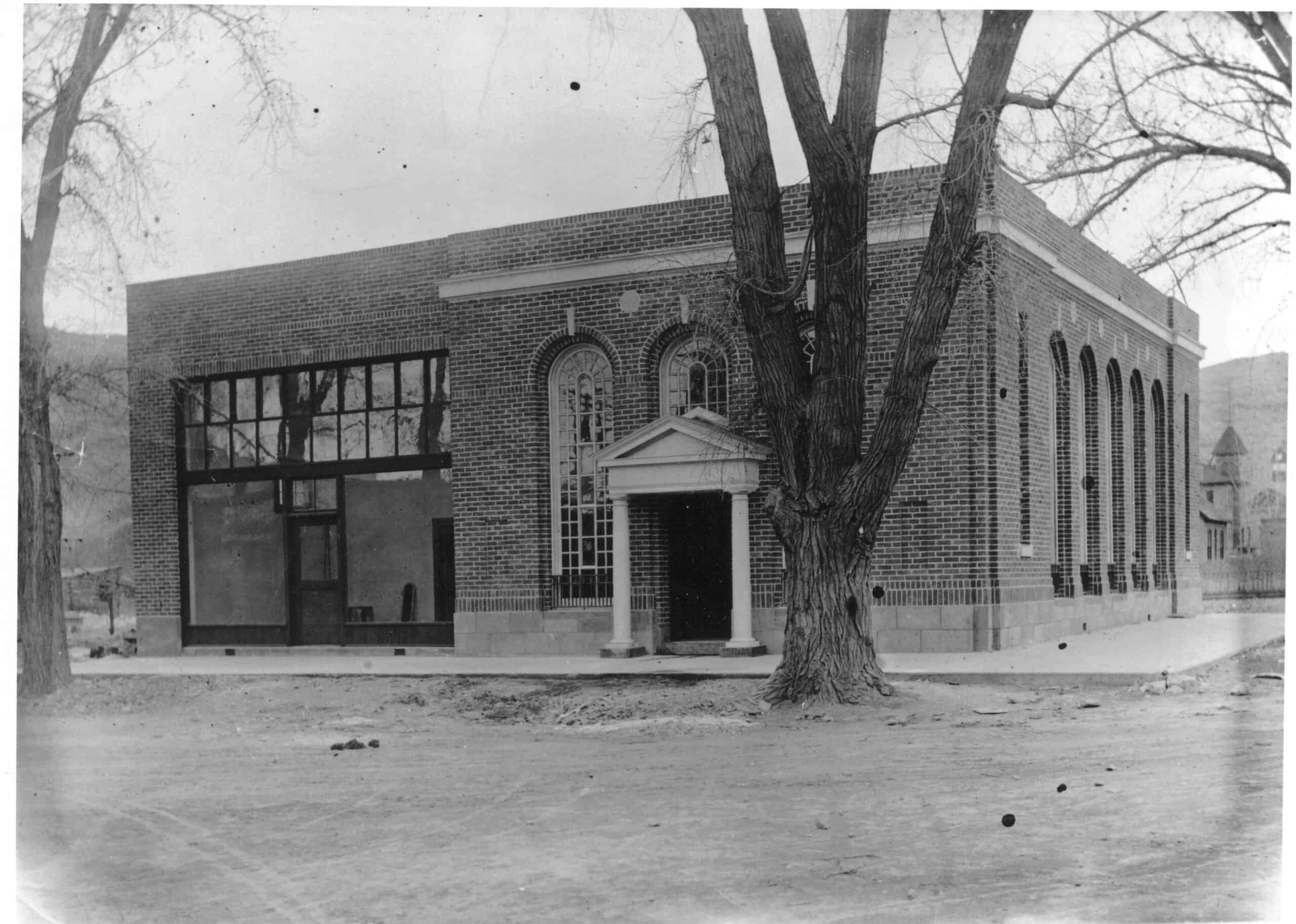
Thousands of businesses have come and gone.
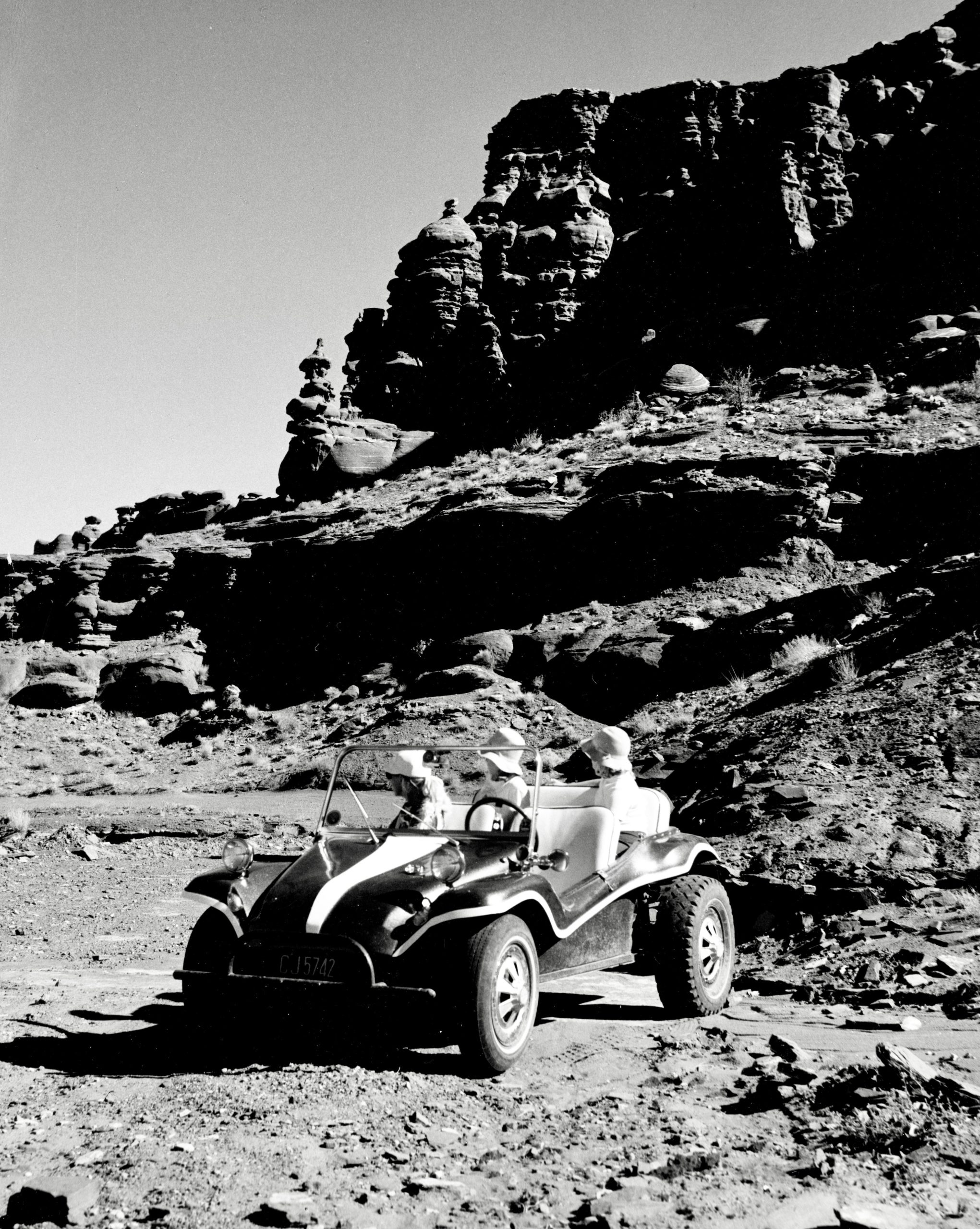
Despite its rugged remoteness, dirt roads crisscross the southeast Utah landscape.
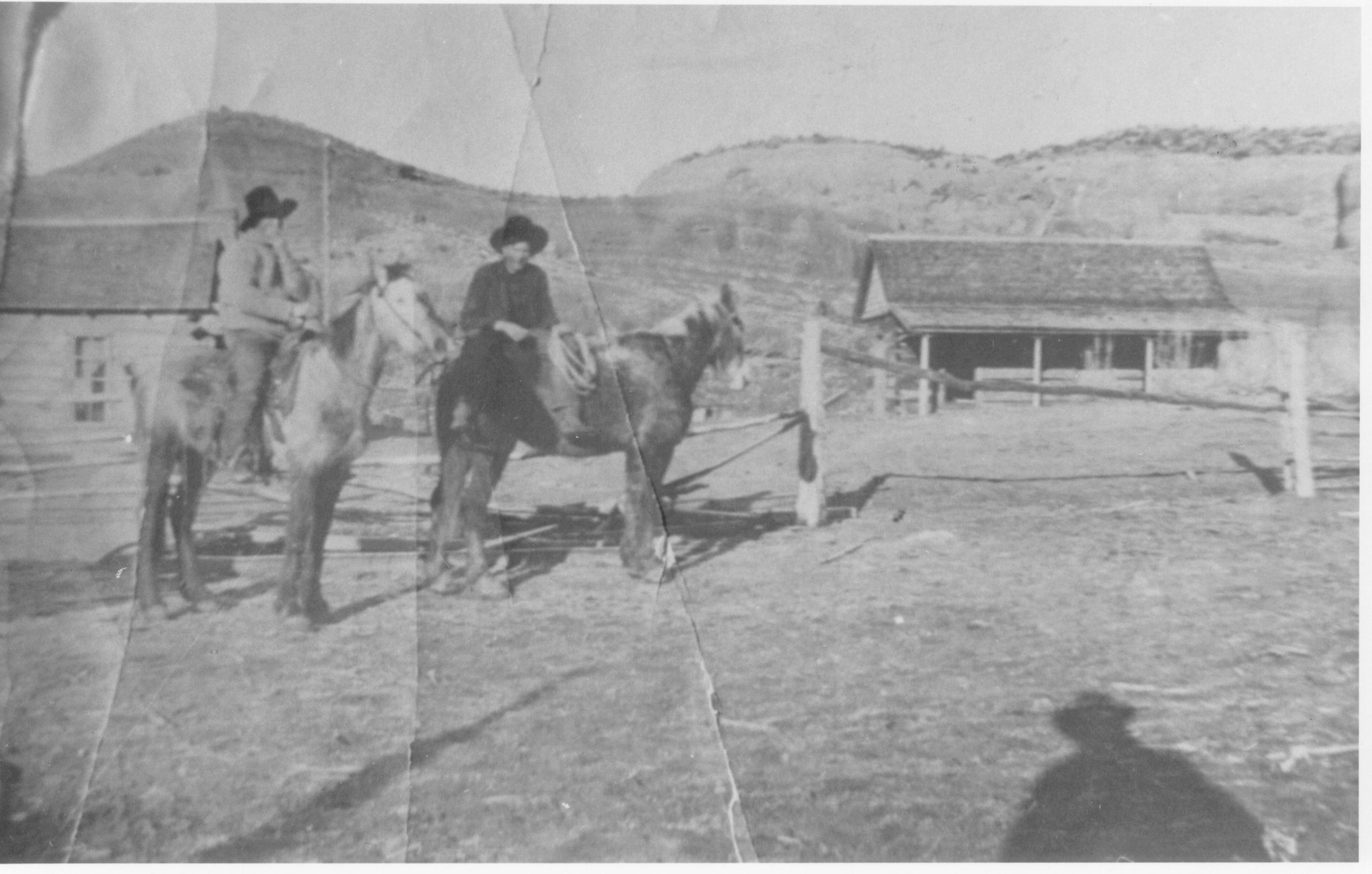
For travelers today, journeys to and from Moab may be punctuated with airport layovers, train station transfers, or breaks to refuel at highway rest stops. The term “stage station” has all but disappeared,…
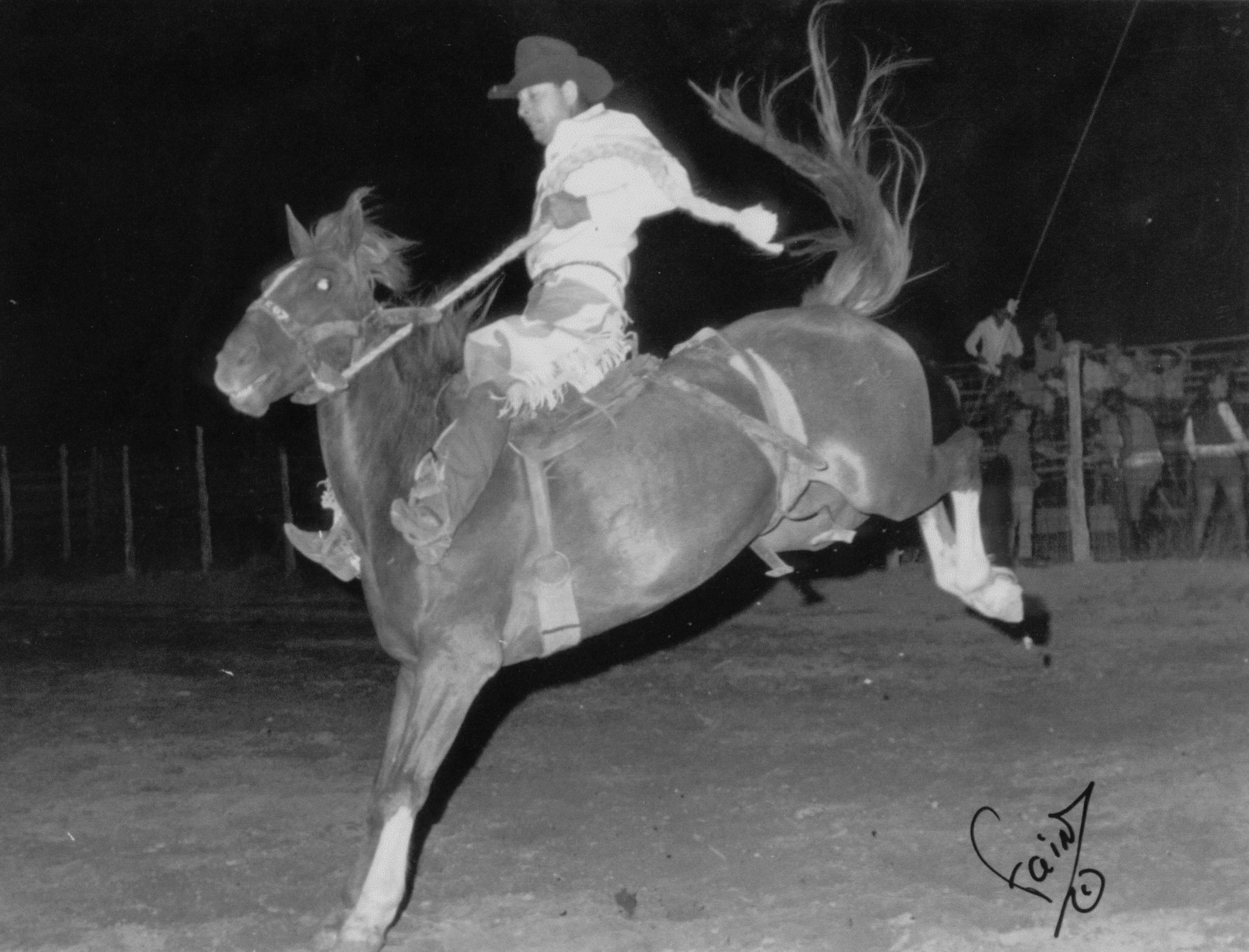
Swanny Kerby was born in Moab in 1917 and graduated from Grand County High School in 1935. Kerby married Verda Mae Burdick, whom he met while working for her father’s cattle company in…
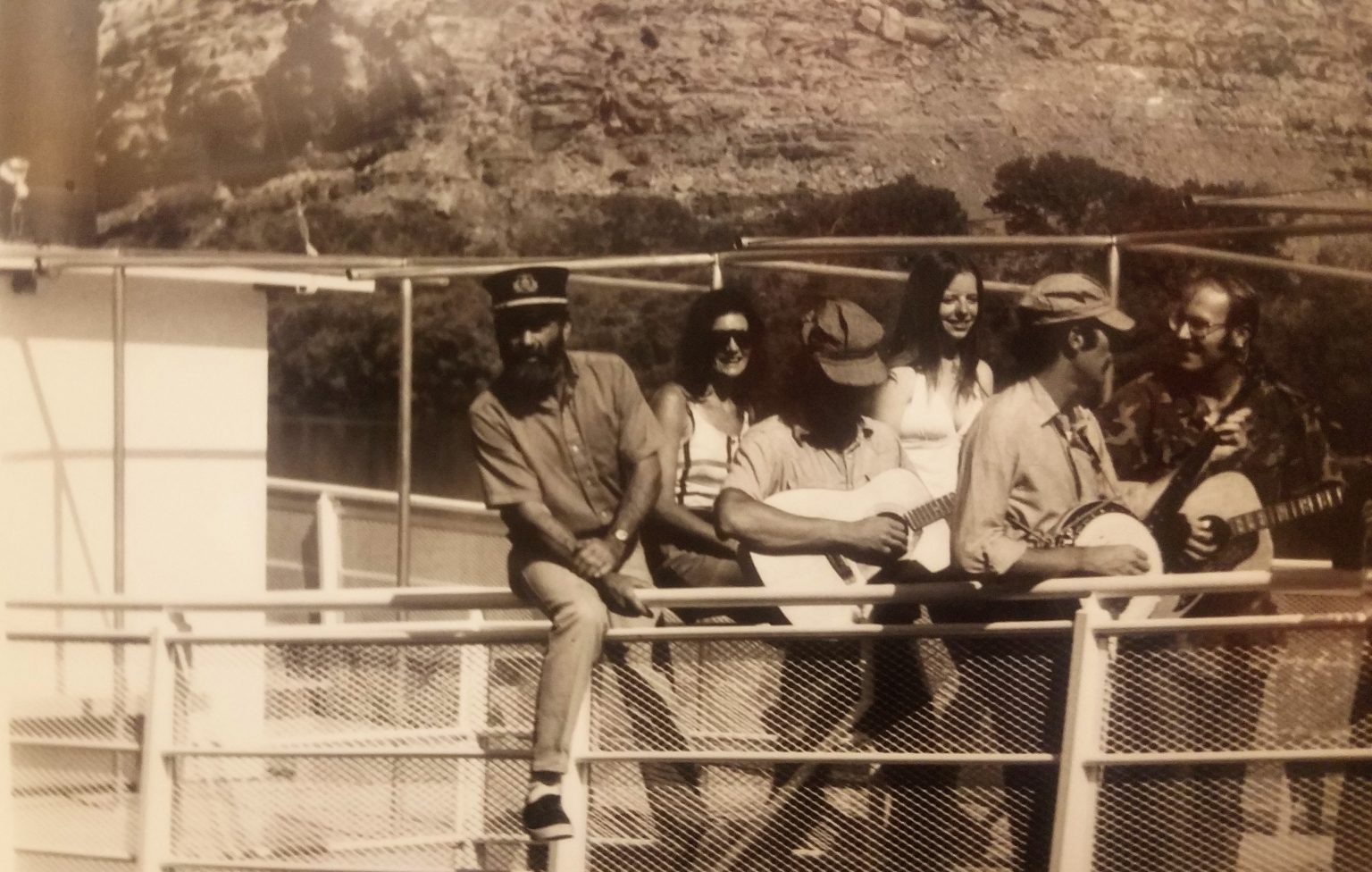
A legend among Colorado River outfitters and one of the fathers of Moab’s recreation industry, Warren Gordon “Tex” McClatchy (1927-2006) left a tangible impact on the Moab community.
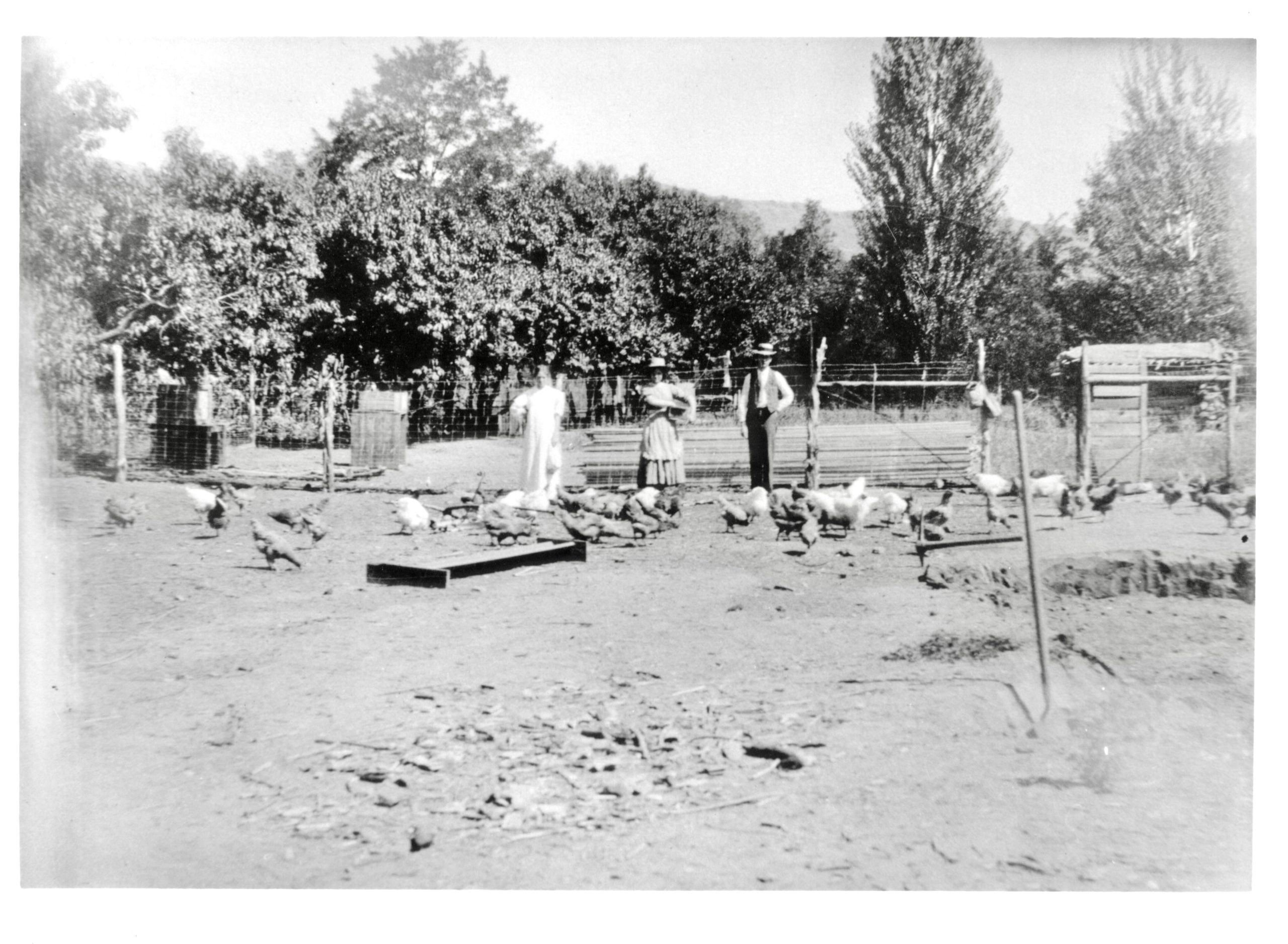
One hundred years ago, Moabites produced much of their own fresh food: sometimes through large agricultural operations, but commonly on a small scale.
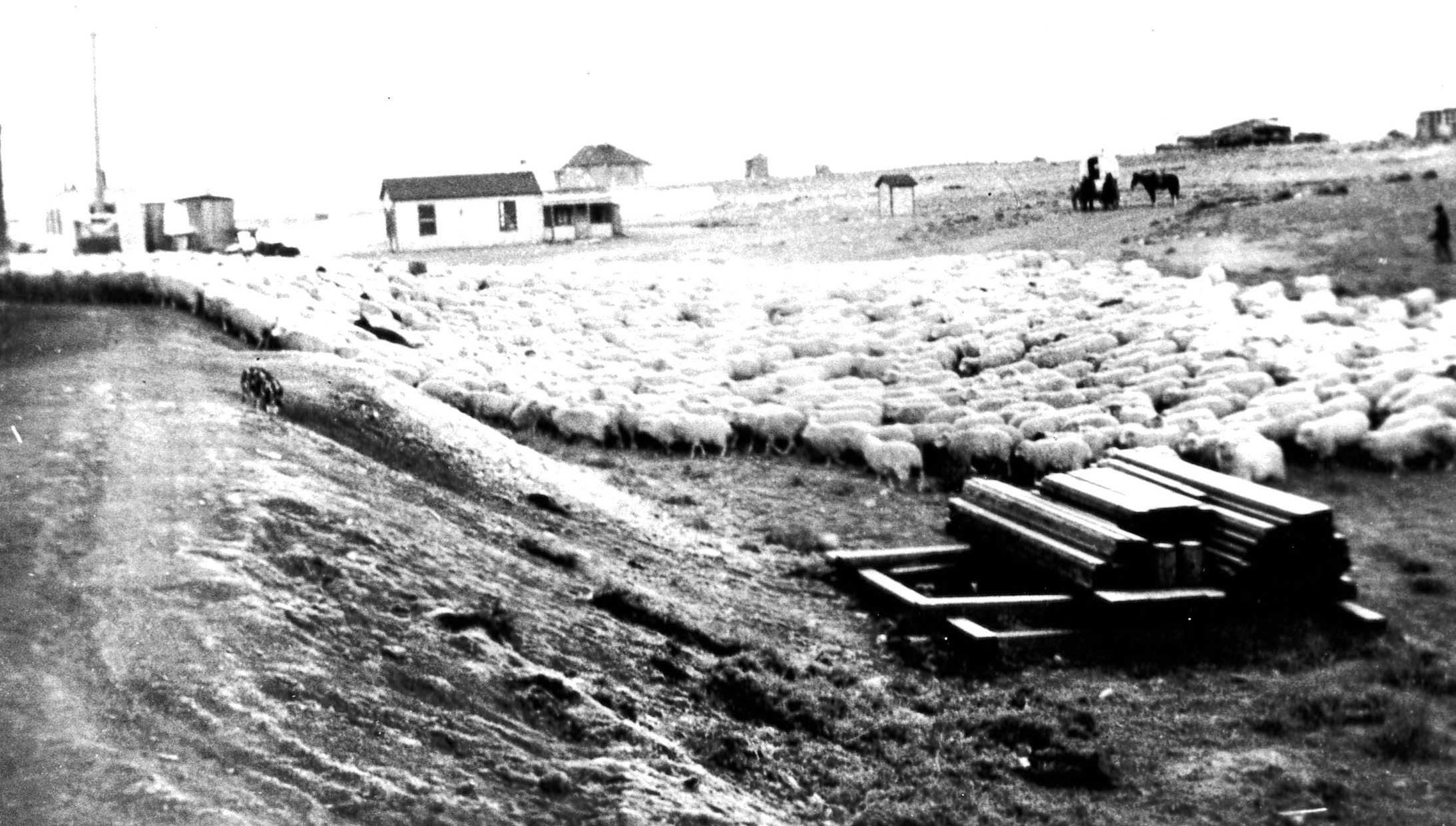
Cows aren’t the only livestock to be grazed across the region—sheepherding was once a major part of southeastern Utah’s agricultural scene.