Moab Museum launches exhibition exploring Utah uranium mining’s lasting impacts with free opening event
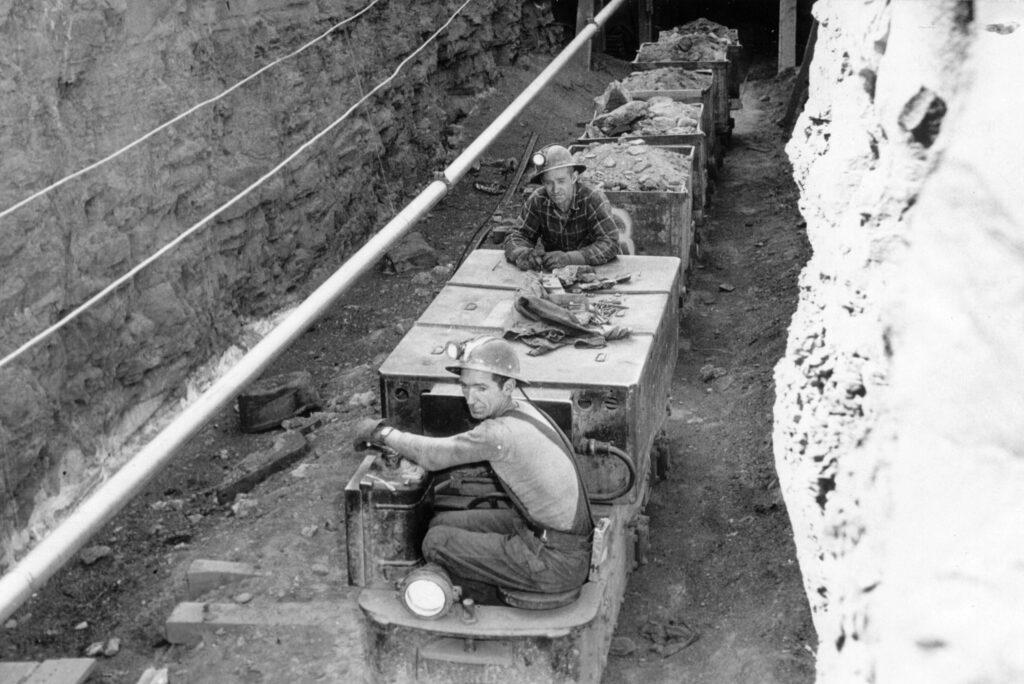
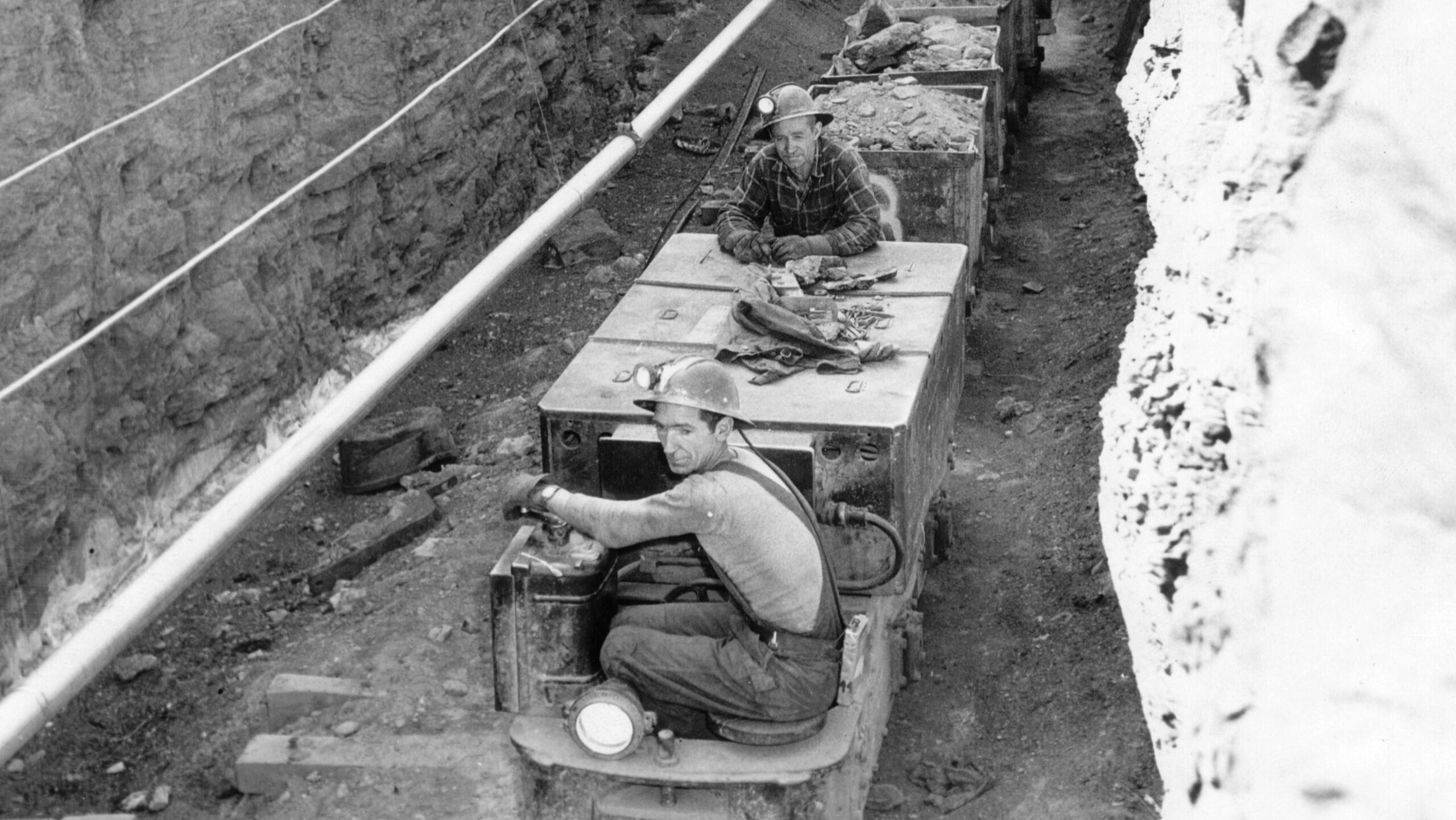
The Moab Museum opens the second phase of its U92: Moab’s Uranium Legacy exhibition on July 19, shifting focus from the Cold War mining boom to the lasting health and environmental impacts of uranium mining.
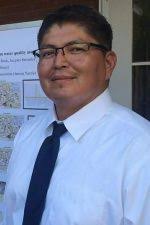
Dr. Tommy Rock, a researcher from Northern Arizona University will present his findings about regional uranium contamination at 3 p.m. on opening day — when admission will be free of charge.
The broader southeastern Utah region contains numerous abandoned uranium mines from the Cold War era, according to the Bureau of Land Management. An estimated 8,000 to 11,000 abandoned mines remain on federal lands statewide, with the San Rafael Swell region alone hosting over 200 abandoned uranium mines.
The new U92: Aftermath exhibit phase examines how uranium mining continues to affect communities across the Colorado Plateau decades after the boom ended.
Exhibition highlights ongoing health and environmental concerns
The U92: Aftermath phase uses first-person accounts to explore how uranium mining caused “catastrophic effects” on local ecosystems and human health.
Rock’s research focuses on chronic exposure risks that can span generations.
“I am familiar with uranium legacy because I come from Monument Valley, Utah where they are numerous abandoned mines,” he explained.
“My late grandfather was a uranium miner, and he died of cancer back in 2006,” Rock said in a recent interview with the Moab Sun News. His personal experience with uranium’s health impacts led him to study the long-term consequences of mining activities across Indigenous communities.
Rock noted that southeastern Utah, including the Moab area, contains numerous abandoned uranium mines that remain unaddressed.
Federal policies remain unchanged despite known risks
Despite decades of evidence about uranium mining’s dangers, Rock believes government policies haven’t evolved.
“The federal government has not learned the lesson from past events. They are still no policies related to remediation of abandoned uranium mines,” he said.
As uranium mining experiences renewed interest due to clean energy demands, Rock argues communities need better protections. The federal government recently approved the Velvet-Wood uranium and vanadium mine in San Juan County under an accelerated review process citing a national “energy emergency,” highlighting the industry’s resurgence in southeastern Utah.
Concerns about uranium contamination
Rock recommends three key questions for communities facing new uranium development: Will legacy mines be cleaned up? What contamination exists from past mining? And will mining companies be held accountable for health impacts?
“Is there going to be policy about people that are close to uranium mines in terms of health access and what does that health access look like since many rural clinics are closing?” Rock asked. “Is there going to be an accountability to uranium mine companies?”
Exhibition runs through December 2025
The U92: Moab’s Uranium Legacy exhibition continues through December 2025 at the Moab Museum. The first phase, which opened in February, focused on the Cold War-era uranium boom and its immediate effects on Moab’s community and infrastructure.
The museum developed the exhibition through collaboration and dialogue with diverse voices from Moab and the Colorado Plateau, including Moab locals, veteran miners, and regional mining archives, according to the museum.
Event Details:
U92: Aftermath Opening & Dr. Tommy Rock Presentation
Saturday, July 19, 3:00 p.m.
Moab Museum
118 North 100 East, Moab, UT 84532
Admission: $10 adults, $8 seniors/students, $30 families, free for children 7 and under
More information: moabmuseum.org/exhibition/u92/
Appreciate the coverage? Help keep local news alive.
Chip in to support the Moab Sun News.