Five years ago, Pete Sands noticed a decrease in the number of people speaking Navajo. To prevent the language’s further decline, he created a puppet show with Diné characters and dialogue.
Sands started by traveling to schools and conferences to teach children as he performed. Then, thanks to the encouragement of friends, he decided to make a TV show.
In the beginning Sands worked alone in his office, using his phone to film conversations between two puppets he voiced simultaneously. Eventually he brought on crew members and included cameos with well-known Native role models to create the first season of Navajo Highways.

In 2025, Navajo Highways partnered with First Nations Experience, a national broadcasting service associated with PBS and dedicated to transmitting Native American and Indigenous content.
Sands said the partnership with FNX “broadens our audience beyond anything I had ever imagined.”
Thanks to the collaboration, Navajo Highways can now reach over 84 million households across 34 states.
Frank Blanquet, a Yucatec Maya and producer at FNX, told the Sun News why the puppet show was a good fit for the national network.
“Our team members all come from Indigenous communities,” he explained. “We know that the loss of language and culture is a very real and very heavy issue. Programs like Navajo Highways help preserve language and traditions for the Navajo community.”
The puppet show’s first season tells the story of Sadie, a young girl from the city who visits the reservation over the summer. As she reconnects with her family, she also connects with her Native culture, learning traditional dances, recipes and words along the way.
Sadie is played by Tyra Wilson, a nineteen-year-old who lives on the reservation. In an interview with the Sun News, Wilson pointed out the role of language in the preservation of indigenous identity.
“If we don’t know our language, if we don’t know what our culture is, then who are we to call ourselves Navajo?” she asked, adding that “it’s important for the younger generations to understand and acknowledge where they come from.”

Wilson grew up hearing her mother and grandmother speak Diné, but she relates to Sadie’s experience trying to communicate in a complicated and unfamiliar language. Wilson works hard to recreate the experience of learning new words in each episode, even if she already knows the words herself.
“When it comes to showing expression through a puppet, it’s kind of difficult,” she explained. “You have to find different ways to display emotion with your hand and through the puppet’s body language.”
Although the educational show is targeted towards a younger audience, Wilson believes its themes resonate with people of all ages.
“I hope people realize that this isn’t just a show to help children learn Navajo,” she said. “It’s also an accumulation of experiences on the reservation, [showing] what it’s like for a lot of Navajo children and adults.”
Wilson noted that many indigenous experiences aren’t known or understood by the public. The lack of Native actors and mischaracterization of First Americans in the media often skews the public’s understanding of indigenous people. It can also skew the perception Native people have of themselves.
Blanquet and his team at FNX hope their work to broadcast indigenous content like Navajo Highways will “instill a sense of pride in Native Children” as it provides them with an accurate depiction of their culture and life.
He continued: “We want to give our youth a sense of self-worth, and if that comes in the form of representation on screens across the country, then we want to give them as much of that as we possibly can.”
Wilson takes her role as the puppeteer of a young Native girl very seriously, basing much of Sadie’s character off of her own personality.
“I see myself in her,” she said. “Sadie is an extension of me.”
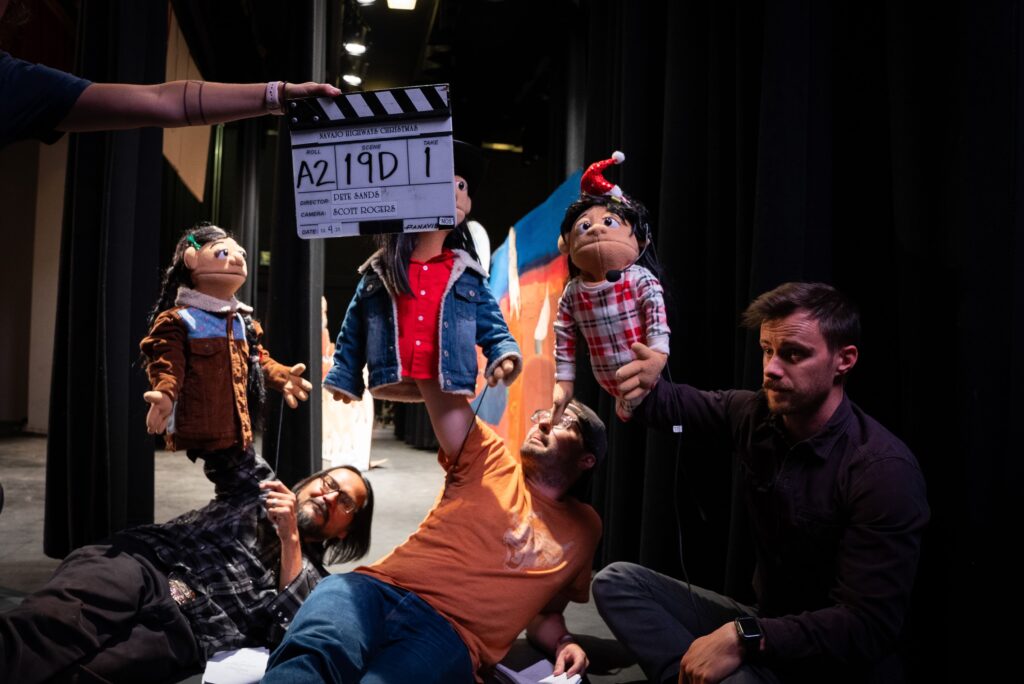
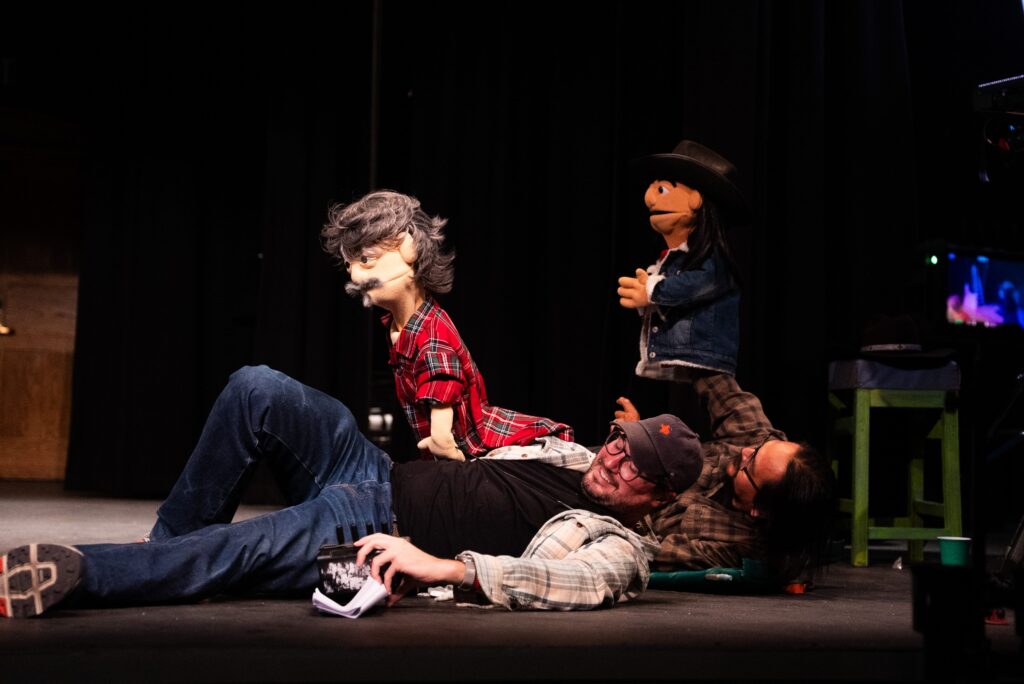
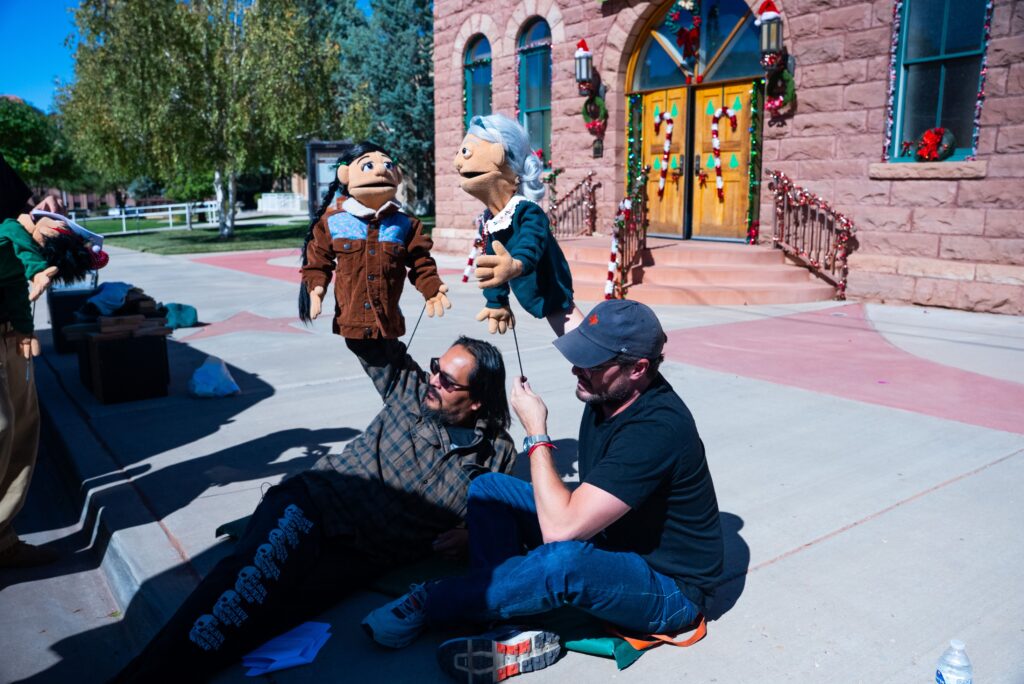
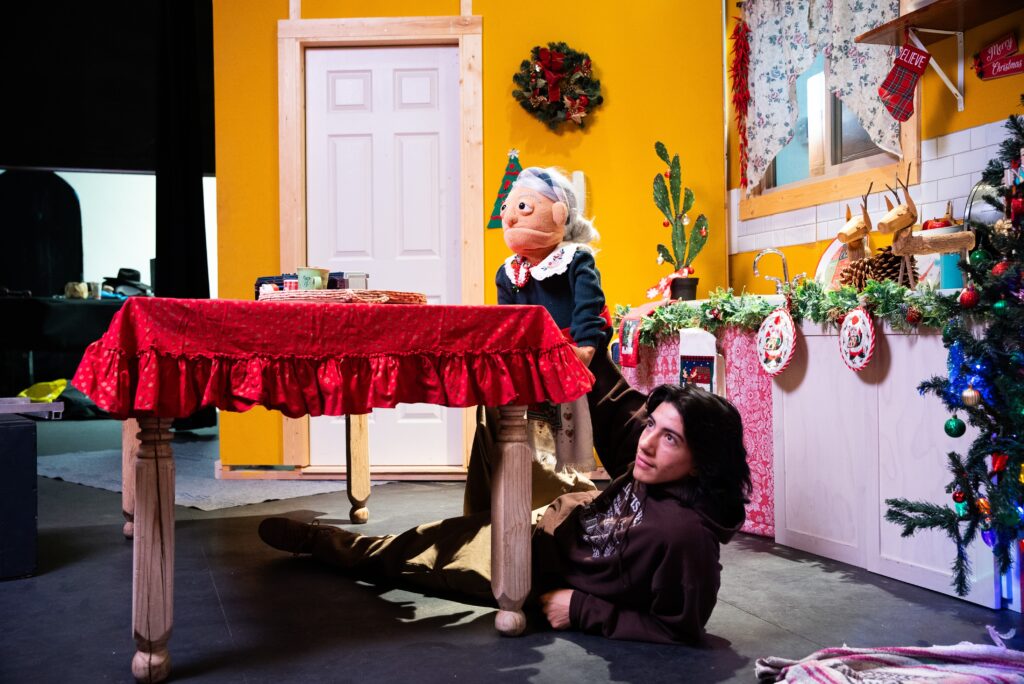
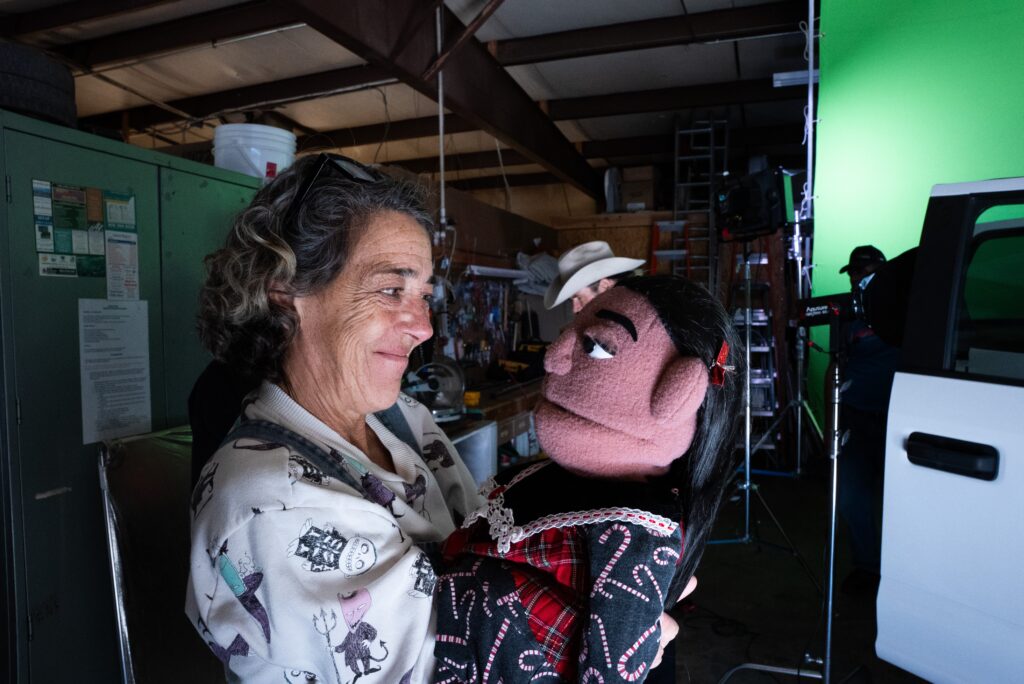
The show’s first season laid the foundation of Sadie’s world: introducing her family members and friends, while slowly incorporating Diné words. Its second season will focus more on the significance of specific Navajo traditions, and teach the audience how to use Diné terms in their proper conversational contexts.
Sands is particularly excited to film an episode for the upcoming season about the Navajo code talkers, a group of Navajo soldiers that created an undecipherable code in Diné to transmit messages during World War II. Their complex code was never broken, and played a crucial role in the Allies’ victory.
“I am so hugely proud and honored by what the Navajo code talkers represent, and what they mean to our culture and to America in general,” Sands said.
Because there are only two code talkers still alive, he hopes to film the historical episode before moving on to other cultural topics.
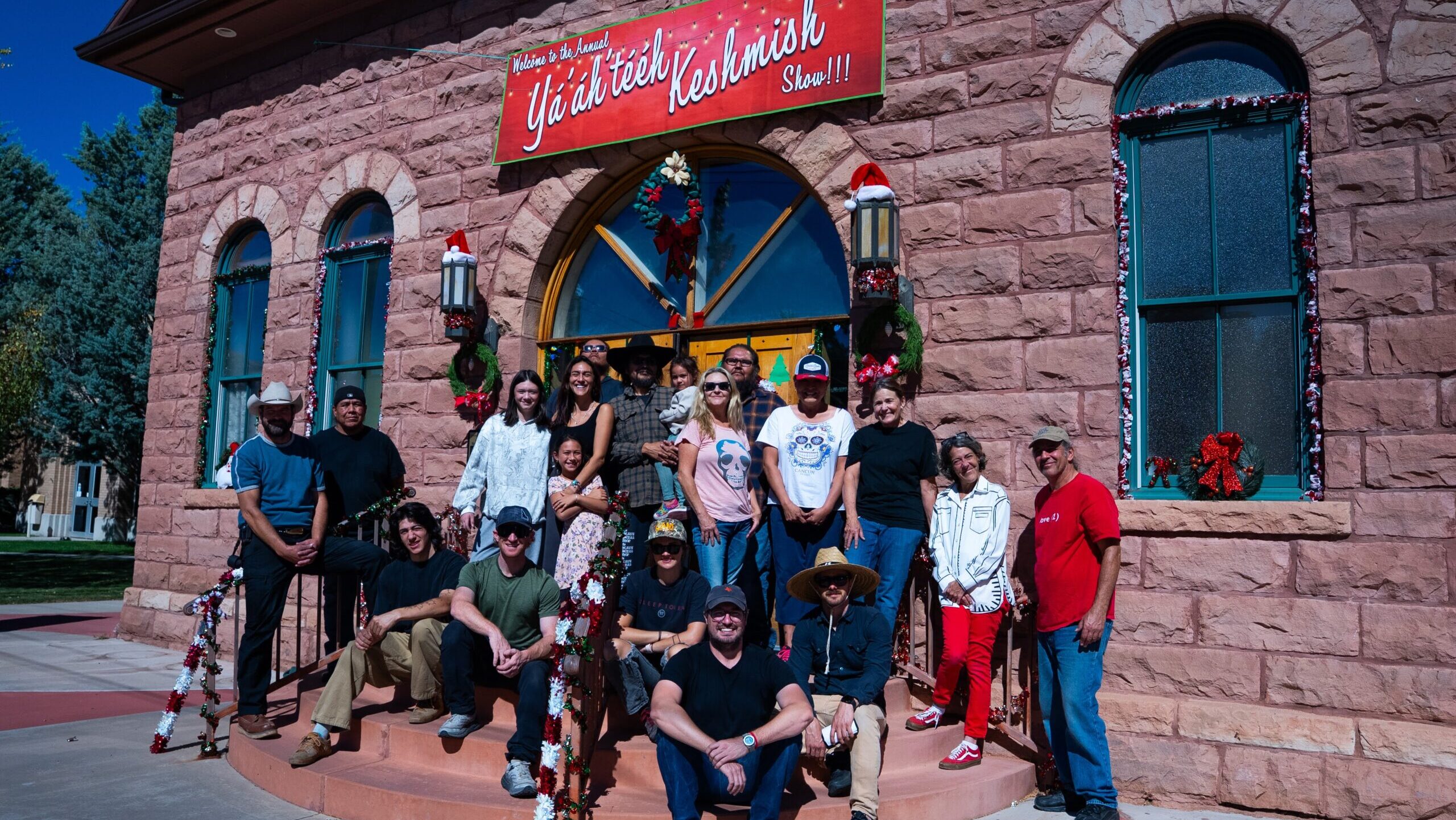
This month, Navajo Highways will premier its first ever FNX original holiday special episode called “Navajo Highways presents Yá’áh’tééh Keshmish,” which translates to “have a great Christmas.”
“Navajo Highways presents Yá’áh’tééh Keshmish,” will premiere at Star Hall on Saturday, December 20 from 1:30 to 3:00 p.m.
A live performance will precede the screening, with Navajo tea provided.
Appreciate the coverage? Help keep local news alive.
Chip in to support the Moab Sun News.