
Grand County’s 2026 budget is smaller, tighter, and built around plugging gaps rather than launching new projects. After a year marked by one-time costs and several major capital items, commissioners adopted a lean budget with plans to check in at midyear if revenues don’t rebound.
In the budget packet approved Dec. 16, total planned spending across the funds shown falls to about $58.9 million in 2026, down from about $74.4 million in the 2025 budget as proposed for amendment. That’s a drop of roughly $15.5 million, driven largely by large one-time projects that aren’t repeated in 2026.
The General Fund, which covers core services like administration, courts, elections, and public safety, declines from $23,521,107 in the 2025 proposed amendment to $21,455,191 in 2026, a reduction of about $2.07 million.
As County Clerk/Auditor Gabe Woytek told commissioners during the final workshop, the adopted budget for 2026 reflects “a draw from the reserves of $345,824,” a figure that commissioners ultimately agreed they could live with.
Tourism-related spending also steps down. The Travel Council fund drops from $6,151,541 in the 2025 proposed amendment to $4,612,905 in 2026. The county’s TRT mitigation fund declines from $5,172,594 to $4,605,917. Combined, those two funds fall by about $2.1 million.
One of the biggest reasons the overall budget shrinks is the end of major airport work. The Canyonlands Airport FAA Airport Improvement Projects fund totals $9,702,108 in the 2025 proposed amendment, then falls to $72,775 in 2026.
Not every area is shrinking. The county’s trails fund increases from $2,184,054 in the 2025 proposed amendment to $4,213,924 in 2026, as construction is planned to begin on the long-awaited Spanish Valley Multi-use Pathway.
Most departments were asked to hold the line: the budget includes no cost-of-living adjustment and staffing levels are being managed tightly.

Bill Winfield: meeting. Good to go. I will be doing this Commission Budget Workshop at 3 p.m. on Tuesday, the 16th of December, 2025. Present Commissioner Adler, Commissioner McHurdy, Commissioner Martinez, Commissioner McCandless, and myself, Commissioner Winfield, with Commissioner Hedin out Hill and Mary, Commissioner McGann possibly zooming in at some point. And so we’ve also got our attorney, Stephen Stocks, and
Bill Winfield: Administrator Mark Tyner here with Quinn’s help, and we’ve got our HR and our work auditor online, Gabe Woytek, with Chantel helping from the audience. So with that, I will say that I think Chantel is going to start off with a presentation. Unless, Gabe, there is something that you’d like to weigh in with first.
Jacques Hadler: I’m going to say that Chantel is up teetered. Maybe he’s still mutter than off. I feel the weeds.
Bill Winfield: and I think
Jacques Hadler: that’s
Bill Winfield: the most current project. Just for the public and for the commissioners, I know all of us have kind of been part of several conversations that have happened in the last week. We’ve tried to bring these numbers down to where we can to keep this thing moving forward and I know that especially our comm admin staff has worked very hard to help us get the budget as close as we can and we should be able to come up with a final number today.
Bill Winfield: what we’re going to consider drawing out of our reserves to balance this budget. So Chantel,
Jacques Hadler: as you wish. When can you help me share this with you?
Mark Tyner: And commissioners, I sent you an email. It’s just one page that Chantel’s going to be discussing
Mark Tyner: today.
Jacques Hadler: Yes. Oh, don’t you just send
Melodie McCandless: her a couple of minutes
Jacques Hadler: to go
Melodie McCandless: ahead?
Jacques Hadler: I think I’ll
Melodie McCandless: just… It’s 25.
Jacques Hadler: Oh, yeah. Yeah. Is there a red line like it shows the changes to me? No, there’s
Mark Tyner: not. Chantel’s
Bill Winfield: going to present some suggestions off of some of those meetings, Jacques and Mike. I know some of the others were a part of them, so. I’ll try to peruse it real
Mike McCurdy: quick before she is building us. Okay.
Jacques Hadler: We can actually put that in the deepest moment. What? No? Nope. Fan concert. Okay. Okay. Yeah. What does your son play again though? Trombone. Who does? Yeah. Trombone.
Melodie McCandless: Well, he plays the piano too at all moment.
Bill Winfield: Does he play jazz? All right, and we’ve had Commissioner McGann join us on Zoom, so thanks for joining us, Mary. Just waiting for Chantel to start a little presentation here.
Chantel Lindsay: So Mark, Quinn, Dana and I, we worked with the number that Gabe provided via the email last Thursday, which was 740,510. We needed to take out the $400,000 that had been in the line item for the fixed sideways tax. So that brought the negative up to $1.155 million. You can see right here.
Chantel Lindsay: We did take the land use amount of $95,000 out of the general ledger, put that into capital projects. And I do plan on taking the $25,000 leftover amount of $68,900. That was leftover for the land use code this year and putting it into capital projects. So we have that.
Chantel Lindsay: We have the EMS reimbursement for the $180,000. We have affordable housing bond proceeds of $200,000. We have a proposed MOU with the City for Dispatch Services. Mark calculated that based upon
Chantel Lindsay: the highest paid
Chantel Lindsay: dispatcher. And then we have the EOAB, which we took in the budget. We had $50,000 of that revenue, and we moved that to the full $200,000.
Jacques Hadler: Can you
Bill Winfield: explain that last one to the EOAB? So the EOAB, as part of the… Just so people know the EOAB, the GOIO grant money, we’re allowed to keep that and fund our own economic diversification of the county versus spreading that around a little bit. And so this year we’ll have to keep it.
Bill Winfield: and Melisa’s position with
Bill Winfield: that. Okay, so we can keep it in the
Bill Winfield: general
Bill Winfield: fund to fund
Bill Winfield: that. Okay, thanks. And then, Jacques and the public too, just for a little bit on the one where she has the MOU for the city dispatch services, they’ve already had the old number, I think it was $86,000 and change in there, and then we added it up to what the highest paid dispatch service would be, so there’s only a difference. But we still did get to move another 56,000 is what this number is. It’s just the additional above what Gabe previously had added.
Chantel Lindsay: And so then, number three, we have listed the outside agency funding. And we have listed the full contribution amount, 75% if you chose to do that, 50% and 25%. And so If you take out the 1.155 billion, we brought it down to 479. And then…
Mike McCurdy: With that, with the Recreation Special Service District, I gave them a heads up having the meeting on Wednesday after our meeting, and they are not expecting that full amount. They would continue to apply for 37,000 on top of 37,000 instead of 137,000 if we were to eat the 95,000 of operating expenses in two counties budget. I’m
Brian Martinez: just going to make sure I’m following 479,000. Is that right? I’m going to
Chantel Lindsay: show it to
Chantel Lindsay: you right here.
Bill Winfield: The one on the green on this side.
Chantel Lindsay: Okay, look at the green. This is our total. And then The amounts that we were able to put back into the general fund brought us down to the 479, 54, and 66 cents.
Chantel Lindsay: If the final calculation, if you do the full contribution to all the outside entities, it will stay at the 479. If you do 75%, we can get it down to 218, and so on and so forth. As you can see, it’s broke down.
Chantel Lindsay: If you do 50%, it will actually be in the Plus that
Chantel Lindsay: of the revenue at 42,000. 50 percent. Correct. Right, right. Yeah, and that’s
Bill Winfield: in the blue. And what we did was look at those based off of the administrator’s recommendations is that we would reassess and look at these in the spring and see if we need to see if our revenues have come up where we can fund the rest of those. And I’m not sure, I know some of them are paid quarterly anyway.
Bill Winfield: I don’t know, but that’s where we’re going with this is trying to just hold off making payments completely to those outside entities until we see some turnaround in our budget.
Jacques Hadler: Do we know which ones receive payments quarterly? I
Jacques Hadler: know some of their budgets are dependent on
Chantel Lindsay: Gabe, can you answer
Chantel Lindsay: that?
Gabe Woytek: Yeah.
Gabe Woytek: So, yeah, they would all be quarterly or even a longer time frame, which could happen at the towards the end of the year. But in the case of the museum and the Four Corners and Southeastern Utah Health, and Solid Waste, that would be a quarterly.
Jacques Hadler: So if we say we decided to fund 75% then we pay for the first three quarters and see where we’re at for the last one for example?
Gabe Woytek: Yeah, it would depend, yeah, if that’s how you would want to approach it, that could sound like a viable path.
Jacques Hadler: Similarly, if it’s 50% they get paid out the first two quarters. Is that what you guys are thinking?
Mike McCurdy: So they still received
Mike McCurdy: their original…
Bill Winfield: We’re not talking about reducing their payment at all towards the end of the year. We’re just reducing that payment right up front so that we’re holding off until our
Jacques Hadler: But I mean as far as the payout goes, they say we’re talking
Brian Martinez: about… We’re not going to pro-read it is what you’re saying. We’re going to give them the full amount for the quarter, but if revenues don’t change, then they would receive nothing for quarter three.
Bill Winfield: Honestly, I think I’d be more… Are we discussing this now? Unless there’s more that you want to present.
Chantel Lindsay: Not
Chantel Lindsay: unless you guys have more
Brian Martinez: questions. If you have any more questions. Sorry. The $16,000 for the voluntary That’s not included in this, correct?
Chantel Lindsay: For the voluntary
Chantel Lindsay: labor reduction?
Chantel Lindsay: No. We cannot take that out of the budget, so it has to stay in. We won’t know how much, you know, we can look at that after first quarter or second quarter, how many people are going to participate in that program, but as of now, that can’t take any type of funds out of the budget and lose that.
Jacques Hadler: Go ahead and jump up. I think as far as the rest of the The numbers, I’m fine with Line Item 2. Line Item 3 is reducing outside agency funding. I’m very hesitant to do that.
Jacques Hadler: I appreciate that it’s something to consider. If we do that, I think the 75% is the only one that I’d be comfortable with, leaving us with 218. I’d prefer to look at it in six months, budget this way, and then in six months we could like we did this year, do a budget amendment and reduce their contribution on the other end rather than doing it from the front.
Jacques Hadler: And with that in mind, if we know that that’s going to happen, then maybe, you know, just reduce those two payments because I know a lot of those agencies are quite dependent on our contribution and count on it. This way also they’d have a bit of a heads up. So again, I think the I think the 75%, I prefer not to do it at all, but I think 75% is the one that would be tolerable.
Jacques Hadler: I wouldn’t support the 50% or the 25%. And
Bill Winfield: I guess I’m not totally following you. I think either way, it’s just that the money isn’t there, but…
Jacques Hadler: I guess if we budgeted the 75% now and it looks like our revenues continue to be or go down or it looks like we don’t have it, then coming back to the discussion and doing a revised budget like we did this year and reducing those funds later would be preferable to me than cutting their contribution.
Melodie McCandless:
Jacques Hadler:
Melodie McCandless: I think to Jacques’s point, these groups do depend on that money. And so if we got to June, so we gave them their first quarter, we gave them their second quarter, and in June we said no more because we can’t give you any more.
Melodie McCandless: Whereas if in June we said, we’re only going to give you one more payment, like we can only afford to give you one. At least they have that last little bit of like knowledge instead of you’re just cut off and you get no more money from the county mid-year. And that was just, I mean, it still puts us at a negative $218,000 drop. but that might be made up from our voluntary work reduction and then at that point in June we’re going to say, oh revenues are better and we’re probably not going to give you that whole
Melodie McCandless: contribution.
Jacques Hadler: I agree, thank you. And I
Melodie McCandless: think that’s what Jacques
Melodie McCandless: really feels.
Chantel Lindsay: From what the staff has told me is that they would rather, if there were going to be mandatory
Chantel Lindsay: risks
Chantel Lindsay: because we couldn’t afford, they would rather go 32 hours so they had to keep their job, and that they were concerned that outside agencies were receiving funding when we’ve already, you know, reduced our force. That’s just out there right now. We did have a survey on the reduction yesterday. Are there results from that?
Tess Barger: We’ve already had a handful of employees reach out and are discussing the details of what those reductions look like with that.
Chantel Lindsay: Questions, Jason? Are there any issues with reducing the forequarters or the health department? Those two seem to be different than the rest.
Stephen Stocks: In pulling up and looking at them, if we’re structuring it as the payments that we have, I think we’re in a better footing. The understanding for most of the contracts that you have engaged with government is a question of allocation. If you enter a multi-year and a county doesn’t allocate for those funds, I express a bit of caution. I think the dependency and the reliance on these expenditures are something that they anticipate.
Stephen Stocks: When you pull up the contracts, and I think the other one has specifically a call out to the allocation and the other one doesn’t. But the county commission can only bind within a certain period of time and it’s normally you’re supposed to have an allocation clause within there, but some of these contracts did not have an allocation call out specifically.
Stephen Stocks: So if
Stephen Stocks: I can pull those
Mike McCurdy: up. in any way, shape, or
Mike McCurdy: form contractually obligated to pay out in certain amounts
Stephen Stocks: to those? I would look at the history. A lot of them don’t call out specifically on how the county is going to pay out. Juxtaposing it with, for example, the most recent one that I’ve worked at is the trail ambassador contract that calls out specifically. That’s not one that we’re discussing, but it has a more structured payout process.
Stephen Stocks: A lot of the other ones have been done how the county normally has done it. Some are lump sum. Some are over quarters. I would encourage the commission normally to pay out over quarters. It gives the county more time to collect the funds, but the hard thing of switching from a lump sum payment to those quarterly payments is that those recipients of those payments, they won’t know that you’re going to switch without any knowledge.
Bill Winfield: I would think that they all have some knowledge of this situation, do they not? Everybody? because if we continue in our current decline through June, and I’m fine with what Jock and Melody have suggested on 75%, but the reality of it is that even though they’re dependent on these payments, our staff is just as dependent on being kept afloat here.
Bill Winfield: And if we’re going to cut staff and trim them back to 32 hours and not give them a cola, and I mean, we go down that list, Our outside entities have to realize they’re faced with the same thing for them, that this is a county-wide situation. It’s not one of those thoughts in the county here. We’re talking the entire budget. So I would hope that they’re taking notice of what’s going on here. If they aren’t, then I would suggest that we probably need to make sure that they realize what’s coming down in the future. So yes, Commissioner McCurdy, and then
Mike McCurdy: Martinez, Aguda. We are still able to reassess even the outside payments on amending the budget mid-year. I mean, yay for up, but I don’t want to give false hope to even outside entities, and that’s why I’d look towards the 50% to give them a solid number to be like, we can definitely plan on receiving this but we’re not looking towards more at our current trajectory because I feel that those outside departments even understand what we’re at right now but it could get worse. Like a glass half full, I mean I hope it doesn’t get worse but it could. So at least budgeting with the 50% puts us closer to a zero mark.
Mike McCurdy: Mr. Martin.
Brian Martinez: Thank you,
Brian Martinez: Chair. So just to kind of
Brian Martinez: and I’m going to have to power it up with what we’re kind of looking at. So we’re basically going to be kicking the can down the road until July, checking in on revenues. And then we’re going to be reevaluating contributions, we’re going to be reevaluating COLA, and we’re going to be reevaluating vacancies at that spot. So I just wanted to kind of really put the idea of the whole that we’re looking at right now in June and July.
Brian Martinez: And all of this right here that we’ve been talking about is on this idea that we’re going to be seeing a rise in our sales tax, something that we haven’t seen yet. I do think that we do need to prepare for the opportunity as well, that if we don’t start seeing a rise in our tax and our sales tax revenues, right, that we’re prepared to go ahead and make the risks that we’re going to have to be making so that we can balance that budget come July.
Brian Martinez: I think that’s a reality that we might have to face if things don’t turn around in the next couple of months. I would suggest as well that we start looking in, I know that we had a conversation with Julianne at the Audit Committee and start maybe looking to put an RFP out for a performance audit so that if we do end up in that situation in June or July that we at least have some information on the best or the most efficient way to go after those cuts.
Stephen Stocks: The contracts that I reviewed, the contracts that were provided were the USU agreement, the USU grant for, I also forget the gentleman’s name of the small business. That one doesn’t specifically have a call out on an allocation for the county. The one that does is the joint mental health services and abuse services and recitals to its states within legislative appropriations and county matching funds. That’s the call out. or ICAs always have that call out on the allocations on the ability to pay for the services, but some of the other documents don’t contain that clause specifically. So that’s worth noting.
Jacques Hadler: Yes, Commissioner Hadler.
Jacques Hadler: Something else that I brought up last time, but we haven’t talked about or considered is the GABE sent out a couple weeks ago, or not that long ago, the compensation underspend analysis. And every year we’ve always budgeted with the compensation underspend, which is basically spots that pop open throughout the year. And I know he put in the spreadsheet what the underspend has been. If you look at the bottom line for the difference in the last seven years, going back to 2019, and if you average all that out, the underspend on staffing averaged out to $850,000. I know we’ve put numbers between probably
Jacques Hadler: I know we’ve budgeted for the last four or five years that I’ve been on the commission and they’ve been upwards of $800,000 but even if we budgeted a quarter of a million I think that’s looking at our history for the last seven years it’s a pretty safe place to be.
Jacques Hadler: Steven, now you’re turning.
Stephen Stocks: Yeah, so on that, is that already allocated in with the spending freeze? Yes. So because if you don’t… It’s an interesting question.
Bill Winfield: It’s an interesting question. It’s probably with this hiring freeze in effect, the end result probably wouldn’t be as dramatic as the seven-year average, although it does probably exist in some form. I agree. But there’s
Jacques Hadler: no real-world situation where we have no turnover over the year. I mean, people are going to quit somewhere within a large overall number of employees, and that underspend comes from The time it takes to fill those positions, and they’re vacant sometimes for a long time, sometimes for a little bit of time, but it… Every one of those adds up, and I think it’s worth considering budgeting that. In a small amount, I agree, I think the hiring freeze will impact that. I mean, it might cut it in half, it might cut it down to a third, but this year, for example, it was $907,000. You know, back in 2022, I think, yeah, Gabe has it down, it’s $1.5 million, $1.5 million. So it’s not an insignificant number.
Jacques Hadler: So I think it’s worth considering that to make up some of that. I mean, I think, you know, probably 200 to 300,000 is a sure thing on that.
Brian Martinez: Commissioner Martinez. I just added that. So at the 75% right there, looks like, so you have 218,429. And then if we were to take that 16,000 per month, estimate right there of the voluntary.
Brian Martinez: That’s about 192,000. Yes, it’s pretty close. I think that’s pretty close for me right there. But I would like to say that I do think that we should also still consider budgeting for that performance audit as well.
Chantel Lindsay: I know. Performance
Chantel Lindsay: audits.
Tess Barger: Can you clarify and define what you mean by performance audit, Commissioner Martinez? I think that that’s something that’s been a bit of confusion amongst staff, so I think to clarify that terminology would be really helpful.
Brian Martinez: Yeah, I think it would be an efficiency audit. So going through, seeing how the departments are running, seeing, you know, where the efficiency lies at, what can make Grand County more efficient. or better spend our money as far as employees go and as far as systems go as well. So fleets, you know, equipment, things like that.
Mark Tyner: Commissioner, you’re talking about an organizational assessment, basically. Yes,
Brian Martinez: correct. Yeah, but rather than have it be a done by a consultant. I think that it would be better off to have it done as an audit. So the two differences is a consultation would just come in and basically evaluate the organization. An audit would then take that right there and then compare that to other organizations.
Brian Martinez: I think that would be the additional fact right there.
Tess Barger: I can look into that.
Brian Martinez:
Bill Winfield: I’ll go with Commissioner McCurdy and McCandless and Hadler, I might have you mix us, but y’all at the same time.
Mike McCurdy: Okay, I definitely see and have seen over my short tenure here, us not using the full budget because people do quit and staff rotates, but at the same exact time I don’t want to see any of the staff rotate for or and what if they don’t like it that playing that what-if game with I mean even a quarter million dollars is a worry to me.
Mike McCurdy: I mean I don’t want to lose I don’t want to lose any current staff but and if they don’t decide to quit like if they don’t run if someone during the year doesn’t get doesn’t quit we’re just behind next year another quarter, or even in July we’re behind another quarter million dollars.
Bill Winfield: I think the idea is though that if you pick the 75% reduction, so there’s a $218,000 draw scheduled for the end of the year, that the theoretical gap or small gaps in employment or vacant positions over the course of the year would make that $218,000 come down over time. And I don’t think that anybody can guarantee
Mike McCurdy: What if we don’t have any. What if everyone leaves? I mean, you can go both extremes. If no one leaves, what if everyone leaves?
Bill Winfield: No, I think the point is just that based on the seven-year average, it does happen
Mike McCurdy:
Bill Winfield:
Mike McCurdy:
Bill Winfield: I don’t know. I do think that Stephen’s point is valid. With the hiring freeze in place, the overall effect is likely to be somewhat limited.
Bill Winfield: Totally agree.
Bill Winfield: But it probably will exist in some form or another.
Bill Winfield: Sure, and I would say that that The 218,000 number is basically going to be eaten up by that right.
Jacques Hadler: I would very much assume so. I mean literally if anyone quits.
Stephen Stocks: Just one more clarifying question. In the event that somebody leaves in their current position, if the county has a hiring freeze in place, are the department heads permitted to fill the new vacancy that is created without filling out the form? I understand there’s a form process, but I’m also trying to understand that.
Tess Barger: Current as well as new vacancies would all need to be walked through the same process of filling out the request and then having commission review and approve.
Stephen Stocks: So then comm-admin, commission administration and supposedly as well the budget process would also have a heads up before you’re filling additional positions so there’d be a stop mechanism but it wouldn’t mean that you were, that the work is getting done as quickly as possible but you would always guarantee that there would be some and I think that’s a great question. So, just noting that as well.
Bill Winfield: Commissioner McCandless and that Commissioner Hadler.
Melodie McCandless: Yeah, and with the hiring freeze, I would imagine that if someone did leave, that we would look at the other positions that are on freeze and maybe there might be a greater need. And so, we’re just maybe that person would go, but then we would create, we’d have a you know our forms down and be like well this position left but this one has a greater need and we’re going to go ahead and hire this position. So I think it’s just going to be a wash as far as those vacant positions for this year.
Chantel Lindsay5: I know people want to hire people. I know that our departments want to have their staff in there so I think that it will allow us to if someone leaves to say well which is the most needed position and hire that.
Melodie McCandless: And it might take a while to hire that. That would be that gap. And then the other thing is I wanted to see if we could ask our new internal auditor, Mark, if they do a performance audit so we could reach out to them as well, just so that we could bring that in next month at our meeting and discuss what Tess finds out, what you find out. And I would agree with
Bill Winfield: Mark, not to cut in on you Jacques, but organizational assessment, I think that looks at the whole picture. It’s not like we’re honing in on staff and we want to know how many breaks Chantel took last week type of thing. I think we want to be careful that we’re not sending out the signal that we’re diving right into individuals here that we’re just trying to look across the board. So I apologize Jacques.
Jacques Hadler: No matter what, like Melodie said, I agree that we’ll have to prioritize. Some position comes open, it’s not as important as one that’s been open for five months, we should prioritize the more important one, but we’re not going to hire for it right away, and there’s always going to be gaps. Sometimes there are going to be large gaps. There’s going to be money on the table. There’s going to be a stake. There can’t not
Chantel Lindsay: be. And there’s also mandatory positions
Chantel Lindsay: that we have to hire. Bill,
Chantel Lindsay: immediately.
Jacques Hadler: So there’s money there. And as far as another audit goes, I mean, I think that’s another thing to talk about. Our internal audit costs went up from $10,000 to $40,000 this year, and that doesn’t even include the price we pay for Karen with, was it Forbes? What’s the company that she
Brian Martinez: did?
Jacques Hadler: Forbes. Right. And that’s another considerable expense. I’d be willing to look at that again maybe in July if necessary, but I’m definitely not in favor of putting another line item in budget at this point, especially for an audit.
Mary McGann: Bill, I don’t know if you’ve noticed, but I’ve had my hand raised.
Jacques Hadler: Boy, I can’t even see it from here. I apologize, Mary, but yes, go ahead.
Mary McGann: Yes, I agree with Jaques that I don’t want to add anything to the budget at this point. I mean, I really see the value of doing an organizational an audit or such, but this is not the time to add anything new to the budget.
Mary McGann: And that I also think that in response to Mike’s statement that we don’t know what’s going to happen, well, in the budgeting process, the whole process is we don’t know.
Mary McGann: I mean, we take the averages, we try to forecast, we do the best we can to determine How our sales tax is going to be, how our TRT, all of that type of stuff. And what Jacques is referring to that historically we’ve always had money left over from not being able to fill positions. So I think we’re pretty safe on continuing that because it’s more, it’s been pretty much my entire tenure here that we have not spent all the money on the staff because of vacancies.
Mary McGann: Is that
Mary McGann: clear?
Jacques Hadler: Yes. Thank you.
Mary McGann: You’re welcome.
Jacques Hadler: Any
Bill Winfield: other questions, thoughts? I’ll weigh in. I do think that if we want to wait until the first quarter, but if we don’t see some change in the numbers, why then would there would be a need to amend the budget and put in some sort of a organizational assessment so that we’re not waiting and doing that in June when we find out that we’re coming up short here.
Bill Winfield: So I don’t mind waiting a quarter on it if we don’t want to add that now, but I do feel that to do nothing would be detrimental in the long run.
Bill Winfield: So I know Tess said she could look into it. I would say that’s probably a good start and that we go from there. once we get some sort of a number back. And I would imagine that if you don’t have the contact information that an administrator can help you because I do know that our internal auditor has mentioned something along those lines previously.
Bill Winfield: So anyone else want to add to where we are recommendations?
Jacques Hadler: Could you guys
Bill Winfield: clarify? Tell me where you guys are. 75%? Is that what you guys, we have a general consensus on that? Yep. I don’t like it, but
Mike McCurdy: I’d go for that. I don’t like it, but I’d go for that, but definitely on the change number for the Recreation Special Service District. Instead of a, instead of a ask of 75,000, it is going to be 43,000.
Jacques Hadler: You’re speaking
Mike McCurdy: for them? They are already there expecting the cut without speaking to them as of last week. And Mary
Stephen Stocks: did have her hand up for a moment, but now I can’t see her. Now she’s…
SPEAKER_06: That’s 14,000. Mary, did you have your hand up again?
Mary McGann: Yes, I did. I was just going to let you mention that we had an organizational audit in the past. And to just caution, on an organizational path. We did the organizational study and it came back that there was only one off department that had too many staff and that was going to be someone who was going to retire so they could do that in attrition and it ended up that most departments were understaffed.
Mary McGann: So if we do an organizational audit, just be cautious that it might come out and we spend all that money and it doesn’t help us determine who to riff because we find out all departments, many departments need more staff rather than less and the organization, you know, so the audits don’t always help you as much as you hope.
Bill Winfield: Well, and I’ve read that audit
Mary McGann: through
Bill Winfield: many different times and it was done in a different light entirely. It was done with the hopes of a new building and how we could go through and what office spaces were needed in the future and it wasn’t really done with the idea that our budget was running in a deficit. So I agree that we want to be careful with it, Mary, for sure, but I also want to be careful that we don’t dig ourselves into a deeper hole there.
Mary McGann: Yeah, but it was it those were a part of it, but we were also at that time looking to see if we could reduce expenses.
Jacques Hadler: All right, do we have anything else?
Bill Winfield: Gabe, do you have what you need? Can you in the past, what’s your plan, Gabe? Do you have what you want us to do?
Gabe Woytek: Well, I’m just going ahead and I’m pretty close to inputting all these 75% numbers and all of the other updates that I have at the moment and should be only a matter of minutes away from a sort of an updated bottom line draw from the reserves. Other than that, yeah, it seems pretty straightforward at this point.
Bill Winfield: I do have one question, Gabe, and then Jock’s got
Gabe Woytek: a question.
Bill Winfield: Will those numbers be made live into what’s in our current agenda so that the public has access when we vote on this budget tonight? Yeah,
Gabe Woytek: easily.
Bill Winfield: Okay, thank you. I just want to make sure that they have the numbers that we’re voting on. Ja, perhaps.
Jacques Hadler: I just want to make sure the 75% that we give each one of those entities and Paul heads up on that and that what we’re going to give them and also to make sure that we do revisit it in July when we can look at our income before. I’d love it if Mark could get something down to make sure that that doesn’t slip away and we end up not being able to contribute to them in the fourth quarter.
Jacques Hadler: So just to follow up on that conversation and to give all those entities a very clear idea of where we’re at.
Bill Winfield: Yeah, I would think a letter on county letterhead would be imperative. And of course, a reminder
Jacques Hadler: to
Bill Winfield: revisit that. And did we have anything that you were going to present, Tess? Was there anything else?
Tess Barger: I was just going to very briefly go over the pay plan and holiday changes, if that’s all right with
Jacques Hadler: you all.
Tess Barger: That’s true. Make sure it’s all straightforward and transparent. Thank you all. It’ll be very good.
Jacques Hadler: And thank you, Chantel, for all of that.
Tess Barger: So again, I just wanted to briefly go over all of our different charts and plans that we’re looking or have proposed to be adopted this evening. So our rate and step chart for staff is 2026, but it will be the same as 2025 because of us not applying cost-living adjustment to that chart.
Tess Barger: Similarly with our electives, their annual salaries are going to be the same as 2025. So those are identical charts. For our pay periods and holidays, one particular item, really the only change is that we have proposed adding Indigenous Peoples Day, and the reason for that is a lot of other entities observe that holiday.
Tess Barger: A lot of our staff are often asking if they can switch one of our other paid holidays to that day, and so particularly in light of the fact that for some of our staff it’s a priority for them to have the stay off, it can be a little bit more difficult for us to conduct business, and in addition even just that, you know, kind of employee morale bumps with us not, you know, at least as of right now, having a cost of living adjustment on the table, we or recommending that we consider adding that holiday. So that would take us from 14 paid holidays to 15 paid holidays. And that holiday is going to be observed on October 12th, 26th.
Tess Barger: Does anybody have any questions or feedback on that?
Jacques Hadler: Do we need to struggle on that or is that…? I don’t have any problem with it myself. I don’t either. Okay. I think it’s
Bill Winfield: fine.
Jacques Hadler: Thank
Bill Winfield: you. Mary does have her hand up. Let’s see if she wants to weigh in. Mary?
Mary McGann: I’m sorry, I forgot to lower it. I apologize, Bill. I’ll be more conscious.
Tess Barger: And then our benefits costs, all of this was approved and finalized with the adoption of maintaining our Cigna insurance, but I added that again just so that that information is readily available what we’re paying for our health benefits. And then our pay plan throughout the series of these budget workshops are my understanding of the adjustments that we were making and I wanted to just ensure that this was totally clear amongst all of us was the approval of the Required reclassification of one of our lead operations specialists to operations manager at the airport,
Tess Barger: the mandated addition of the part-time victim advocate position in the Grand County Attorney’s Office, the reclassification of the Sand Flats director from a grade 14 to a grade 16, the reclassification of our motorized trails ambassador to coordinator, and that is being paid for majority by a grant with the county observing approximately $1,000 of additional benefits.
Tess Barger: And the fully grant-funded fuels reduction positions of the four up to four seasonal and one full-time fuels reduction technician with salary and benefits of those positions being fully reimbursed by our wildfire grant.
Bill Winfield: And I have a question on those. Is it understood that when the grant goes away that then that would be an end to that position and we would reassess it at that point?
Jacques Hadler: Yes.
Tess Barger: Yes.
Bill Winfield: Thank you. Thank you.
Tess Barger: In addition, all of the green highlighted positions are the positions that we have proposed to have changed from not exempt to exempt based on the salary and duties threshold that they meet. So again, we’re attempting on providing consistency and uniformity to comparable positions with counties. So any positions that are in those assistant director, office manager, or supervisory roles are being proposed to all move to exempt so that we are consistent across the counties.
Tess Barger: and those are all of the changes that we have in these charts.
Jacques Hadler: Very good. Any questions? Anyone?
Tess Barger: All right. Thank you all very much.
Jacques Hadler: Yep. Thanks for updating us on that.
Gabe Woytek: Okay. So I’m currently showing a, with all of the updates discussed in the screen that you all are working with them and the 75% contributions. I’m showing ultimately a draw from the reserves of 345,824.
Jacques Hadler: Anybody seeing that in their document? thoughts?
Bill Winfield: Apparently that’s what we would be voting on.
Brian Martinez: What happened to the 218?
Bill Winfield: We’re missing? Commissioner Martinez is asking, we were at 218. Gabe, do you know where that difference comes in?
Jacques Hadler: We have 218 numbers on the sheet that Mark emailed us with the 75% contribution at the bottom of that blue section.
Gabe Woytek: 218, so what is it? 218 is supposed to be the updated draw figure or what is that supposed to mean?
Jacques Hadler: The updated draw figure, yeah, when you calculated it in 75%, according to the document that Mark emailed us right for the commission meeting. Taking into account all the other increased revenue estimates.
Brian Martinez: 218.429.66 And
Bill Winfield: that also had several line items in it, Gabe. Wondering if those in number two, did you send that document to Dave also, Mark? Yes, I did.
Gabe Woytek: I feel a lot better about my numbers, that’s all I’ll say. I’ll stand by my numbers any day.
Mark Tyner: Yeah, because what I sent was just a summary. It wasn’t all-inclusive. It gives an idea. I think on the spreadsheet that I had, Four Corners and the Health Department We’re included with all of those, and I think they have been fully funded in… Okay.
Jacques Hadler: The difference was about $220,000, is that right? $222,000. Oh no,
Brian Martinez: $122,000. Yeah,
Melodie McCandless: $127,000. I was just looking at the economic grant, and it says $150,000, and I think we were taking that up to $200,000. Is that… There was already $50,000 in the in the original budget, but it only says 150 in the proposed budget, which should say 200,000 now,
Gabe Woytek: right? It says we’ve got 200,000 in revenue and we’ve got 150 in expense, and so that 50 in excess revenue is worked into the Economic Development Director’s compensation, so that’s how that one works. There’s a revenue line at 10-33-39. and then there’s a non-departmental expense at 10, 41, 50, 300 that shows those two lines.
Jacques Hadler: Okay. And the difference in the four corners in the southeast between the 75 and 100 looks like it’s about 57, 56,
Melodie McCandless: 25. It has listed there 75%. It shows
Jacques Hadler: listed. It does in the budget. The show’s
Jacques Hadler: at 75% How do you guys feel about 340 as opposed
Jacques Hadler: to 218? Again, I’m
Jacques Hadler: I don’t think we’re going to make up quite a bit on the voluntary reduction as well as the salary gaps, but that’s just
Jacques Hadler: me.
Bill Winfield: I’m fine with it. I don’t know. You’re still digging into something, Brian.
Brian Martinez: I’m just going through and just looking at it real quick. City Dispatch, that was fixed in there as well? Yes. I shouldn’t see it. Yes,
Jacques Hadler: sir. Thank you, Gabe.
Bill Winfield: I think we’re
Jacques Hadler: good.
Bill Winfield: Again, Gabe, the only thing I would want to make sure is that the public sees what we’re voting on later, but I think that we’re at the point where we’re all in agreement that that draw of the 345. Do you have anything else you want to add?
Gabe Woytek: Not that I can think of right now. Thank you. Thank you all.
Bill Winfield: All right. With that, I believe we will take a short recess and open the full commission meeting at 4 p.m. All right,
Jacques Hadler: I will
Bill Winfield: open this commission meeting December 16th, 2025 at 4 p.m. Those present, Commissioner Hadler, Commissioner McCurdy is probably off, left out in the hall, Commissioner Martinez, Commissioner McCandless, myself, Commissioner Winfield, County Attorney Stocks, Administrator Tyner, and Deputy Administrator Quinn Hall. And with that, we’ll stand for the Pledge of
Jacques Hadler: Allegiance. I pledge allegiance to the flag of
Bill Winfield: the United States of America and to the Republic, which it stands, one nation, under God, indivisible,
Jacques Hadler: with liberty and justice for all.
Bill Winfield: We’ll start off with our citizens to be heard, and I would like to ask that as our citizens be heard come up here, that we do our best to respect the commissioners up here, that we try and keep our comments on a very generic without pointing fingers and calling out commissioners any more than is actually necessary. I understand that many of you have frustrations with and I will say that we had a citizen at the last meeting at the end of the meeting that was dropping F-bombs and I will ask that they be removed from the changes. The fact goes on at this meeting. So I would hope that we can do our best to
Bill Winfield: show respect and with that I’ll open citizens to be heard.
Jacques Hadler: Do you have
Bill Winfield: anyone in the chambers? We do. Mr. Jackson, please introduce yourself. We have three minutes and wait till I start, Steven.
Chantel Lindsay0: Okay, ready. I said go. Thanks for the opportunity you guys give citizens. So I just wanted to address sort of the budget and the tax issue you guys are going to be looking at tonight. For the record, please. Introduce. I’m sorry, I forgot. Lynn Jackson.
Chantel Lindsay0: I don’t think people will give you much argument on a need for a new public safety facility. You’re not going to get much of an argument for a new administrative building. I mean, we had up in this place 20 years ago.
Chantel Lindsay0: But the question is how we go about it, how we fund that. To throw out a proposal for a tax, which is just kind of nebulous, like, well, we’re running short of revenue, so If we do this, the legislature gives us this opportunity for a .3% tax, let’s take it, then we’ll spend it. Somehow it’ll be good.
Chantel Lindsay0: It just doesn’t work nowadays. I’m not telling you guys anything new. You know we’re on a declining revenue stream right now, and have been for a while. So if we want to look forward, we need to look forward strategically and and think, number one, what would a new facility look like?
Chantel Lindsay0: Just on the cost of public buildings nowadays, they build a new one in Carpenter County, just an administrative building, 10 years cost $30 million. Our schools around here now are costing $30 million. You add inflation in it, you add all the bells and whistles that go with a jail, I can’t believe you could possibly build one for less than $60 million.
Chantel Lindsay0: So you’re talking about a huge and you’ve got to have a plan to move towards that. And so I would ask you not to vote to implement that tax until there’s a better idea to present a plan.
Chantel Lindsay0: I think a big thing that this county, most every citizen in this county would be in favor of is some kind of a task force looking at a combined county sheriff, city police, where a unique county One kind of city in the entire county, yet we’re having two big, huge police departments, or law enforcement. Both good, but the money that could possibly be saved by a unified law enforcement position, I think, would be something that would gather a lot of support from citizens because I’m fairly sure it is saved by it. So,
Chantel Lindsay0: I’ll just close up and say I want to thank you guys. for doing everything you’ve done to foresee this economic slowdown coming and starting to take actions now before it hits a crisis level, which it will be. And I think your foresight is as hard as it is to make cuts and ask people to cut back. You’re doing the right thing. And until we can turn around this revenue stream, which we hopefully can, that’s the kind of management we expect. Thank you very much. Thank you.
Bill Winfield: Do I have anyone else in the chamber? Do we have anybody online? Quinn?
Jacques Hadler: No. Oh,
Bill Winfield: yes,
Jacques Hadler: please come up and introduce yourself.
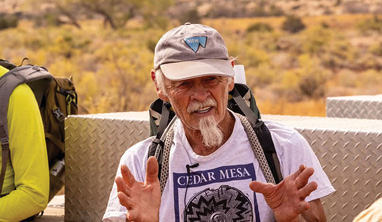
Pete Gross: I’m sorry. I don’t have much to hear from you, so I thought I’d entertain you again. My name is Pete Gross. I want to point out, if I were to light up a cigarette right now, I would probably be removed immediately. because we recognize that secondhand smoke is a health hazard.
Pete Gross: Utah was one of the first states to recognize that and pass some version of the clean indoor air act. I wear this t-shirt specifically because noise, we’re starting to recognize secondhand noise is not just like noise and noise. No, it’s more than a noise. It’s a public health hazard.
Pete Gross: One example, almost anybody who’s lived in a suburban neighborhood and somebody fires up their lawnmower, they’re eating breakfast or, you know, sitting around. You feel a certain level of, you know, it kind of catches you and then you accommodate it, you habituate to it, you don’t notice it anymore. Then maybe 20 minutes later it stops and all of a sudden,
Pete Gross: ah,
Pete Gross: you feel a sense of relief. I think the World Health Organization recognized that noise is one of the top reasons for premature death around the world. If you look at real estate ads, I’ve looked through Moab ones.
Pete Gross: One of the things they promote Moab neighborhood, what a concept. People don’t want to live around noise. I personally know about a half dozen households that have left Moab, noise being probably the number one issue. If I were to leave Moab, that would be probably the number one issue. I can think of a few more, but that would be it. Yeah, it’s not a trivial thing. And also, you could put a dollar value on it if you look at somebody who has decided to leave Moab and they own a home, they put their house in the market, they’re looking at a $20,000 to $30,000 real estate commission just to sell their home and then make a move to something equivalent. Anyway, I thank you for your time and your consideration and hope you consider that noise
Pete Gross: is an issue to address. Thank you.
Bill Winfield: Thank you. I also want to recognize that Commissioner McGann is online rather than with us here. He zoomed back in after I got started there. So if I missed you, Mary, I apologize. Do we have anyone else in the chamber?
Jacques Hadler: No problem. Please
Bill Winfield: come forward.
Allison Mathis: My name is Allison Mathis. I’m a resident of Grand County and I’m going to continue my efforts for accountability. And I also think that, and at least compared to some issues, residents, members of the public are not being respected by some members of the Grand County Commission.
Allison Mathis: First off, last week I started off, or two weeks ago I started off by saying that I had put in a request for information about the preparation of the so-called ACE plan and that we had not gotten a response.
Allison Mathis: Mr. Stocks made a point of coming out to me and telling me about the legal process, which I knew about, but one of my points to him was that you don’t have to be compelled legally to do something. There was an email exchange in which Mr. Stocks followed up by saying regarding when they should or should not release documents is a political question.
Allison Mathis: And what Mr. Stocks basically did was to basically reiterate the point that I was making. My concern is not what is legally compelled or not, but what they can and should. There is nothing, has not ever been anything that prevents Mr. Martinez and the rest of the Commission to releasing the documents that myself and another member, a community member here in Grand County that has requested. So the inference from the lack of release of documents, you can make logical inference
Allison Mathis: on that is that they don’t want the documents to be produced and also that the commissioner in question, and I will name him because it’s a small group, doesn’t think he’s answerable to the citizens of the county and I believe he acts that way.
Allison Mathis: Another point is the more you look at that ACE plan, the worse it works. not only the process of it being hidden from people, but the actual conscience therein. One of the things that is that throughout that plan is that it acts as if the National Park Service hasn’t done any planning since 1989, which is false, period. Also, I want to quote from the text that goes below Figure 8-2. It says, in part, public opinion favors infrastructure and mobility impairment improvements that increase managed access rather than limit entry.
Allison Mathis: So this text was right below a table that was from a, I believe, a 2021 National Park Service plan. And it has things broken out between strongly support and support.
Allison Mathis: So strongly support or support expand parking areas, 53%. Strongly support or support implementing time-diving, 59%. That is higher. what the ACE plan indicates.
Allison Mathis: Strongly support or support, expand trail network data is higher at 65%. Another thing that’s problematic about the ACE plan, it talks about all these things and acts like they were never considered. But if you go back to older documents from the National Park Service, it indicates that they had considered and rejected things like more parking lot shuttles of second interest and so on. I have a lot more, but I’m going to leave this with this.
Allison Mathis: If Mr. Martinez and the rest of the commission is concerned about tourism being driven to Grand County and the impact of timed entry, how about being concerned about the extra fees the Trump administration is putting onto the entry into national parks?
Allison Mathis: It’s going to go up to 250. It’s making it harder for folks on tourists to come in here. And some parks, not us, but our neighbors like Grand Canyon, Bryce and Zion will have an extra $100 per head.
Allison Mathis: People I talk to in the Park Service don’t know how that’s going to be implemented yet, but it could be potentially $5,000 per park of cost per tour bus. And many of those tour buses that come to those parks come to Grant County. And my bet is because the tour companies can’t handle $15,000 more expenses, they’re not coming. So you’re going to hurt international supporters. Again, I have a lot more. You’ll get some more written comments. Thank you for your time.
Jacques Hadler: Thank you. Do we have anybody else? Yes, please. Hi, my name is Grony
?? Mason: Mason, citizen of this county. I think the Commission spends too much time talking about public land management plans rather than basic government. The people I talk with in our community are most concerned with housing, wages, and cost of living pressures. Those are not my words. They were the words of a commissioner running for office. My question is, when are you going to start to do your job you were elected for? When are you going to start playing park ranger superintendent? Thank
Jacques Hadler: you.
Bill Winfield: Do you ever see anybody come on Zoom? Nope.
Jacques Hadler: Anyone else
Bill Winfield: in the chamber? All right. With that, we’ll move on. I believe that up next is a presentation or an agency report from the Chamber of Commerce. Please come up to the table.
Chantel Lindsay2: My name is Cora Phillips and I serve as the Executive Director for the Moab Chamber of Commerce and I’m joined with Ashley Korenblatt, our Board of Presidents.
Chantel Lindsay2: So our Business Summit is scheduled for January 15th at the Springfield Suites and Fairfield Inn here in Moab. We are so thankful for our sponsors that have fueled our efforts to date, including Grand County, Marriott International, Serta, Southeastern, and Goldman Sachs. Additional partners have contacted me to express interest and I expect to have a complete list of sponsors to share with you at the start of the new year.
Chantel Lindsay2: For the summit and throughout all of our efforts, the Chamber has three primary goals to strengthen our local economy, support businesses through training and grants, and support our community through Chamber events such as the electric light parade that it recently occurred.
Chantel Lindsay2: I appreciate you having us today and allowing me to share an update on the Business Summit. The Business Summit will bring together Moab businesses and community leaders to discuss challenges and opportunities with Great County.
Chantel Lindsay2: Keynote speakers include Kevin Lilly, Acting Assistant Secretary for Fish and Wildlife and Parks, Heather Allison, VP of Marriott International, Doug Miller, President of STEAM and also with USU Eastern, Natalie Randall, who many of you have met, Director of Utah Office of Tourism.
Chantel Lindsay2: Panel discussions include topics of recreation asset management, great gateway community marketing, and economic strategies, with also a time set aside for city and county economic updates. We also have five breakout sessions, followed by a closing keynote from Robert Spindler, Senior Economist with Zion Spank, who was really well received at Chamberlain Luncheon earlier this year. We’re excited to have him back, and we encourage all of you to attend if you are able. Tickets here at the Grand Business Summit can be purchased at moabchamber.com.
Chantel Lindsay2: That was all live, and you can go to the site moabchamber.com under the events tab to purchase this.
Jacques Hadler: We hope to see you there. All
Chantel Lindsay2: right. We look forward to it.
Jacques Hadler: Thank you so much. Anything else? Any questions? I’m forward to it, too. Thanks. Yeah. Can you attend? A fee. Did you mention the
Jacques Hadler: dollar
Jacques Hadler: amount?
Chantel Lindsay2: We have a member pricing and then for non-members we have pricing as well that will be put through at the end of December.
Stephen Stocks: And then is there a cap? How many people can attend? Yes.
Chantel Lindsay2: Yes.
Stephen Stocks: So I encourage people to
Chantel Lindsay2: sign off sooner than later. Thank you.
Stephen Stocks: And then you guys have early bird pricing? Sorry? Early bird pricing.
Chantel Lindsay2: The
Tess Barger: non-member pricing is currently posted. Okay.
Jacques Hadler: Very good. Thanks a lot. Thank you so much. Thank you.
Bill Winfield: Appreciate both of you. All right. We will move on to Commission member disclosures, future considerations.
Brian Martinez: No, I’d just like to add a little gratitude for some of our staff here. Allison Hartford, Melissa Jeffers, and our maintenance staff have kind of helped out with the Christmas lights. They’ve all done an incredible job and they put on a nice little party there for the lighting of the bridge, so I just wanted to recognize them.
Mike McCurdy: Thank you, Brian. Yes, Commissioner. I’m just going to add into my list now. Disclosing, my wife works for the Sheriff’s Department. And second, I would love to, the lighting of the bridge was awesome. It was well-received by the community. I know there was many in attendance, but I continue to hear about it even right now into the next few weeks after. People love the trees.
Bill Winfield: Yes, Commissioner McGann? Yes,
Mary McGann: as usual,
Mike McCurdy: I’m
Mary McGann: disclosing that my son works for Sand Flats because we’re voting on the budget tonight and yes, I’ve heard wonderful things about the lighting as well. So thank you.
Bill Winfield: Yeah, the lighting, the parade, all of it. An opportunity to be a kid again, I think. All right. If there’s nothing else, we will move on to the approval of our consent agenda items. And we do not have the meeting minutes loaded up yet from the multiple budget workshops that we went through, so I will move on to the ratification of payment of bills. We have a total bills of $1,855,699.64. with a total payroll of $616,263.09, totaling both bills and payroll at $2,471,979.73. We have ratification of a letter of support for CERDA to secure funding through the Brownfields Coalition. We have the D, the 2025 Fraud Risk Assessment E is an appointment to the Thompson Springs Special Service District Board, F appointment applicant to Transportation Special Service District Board,
Bill Winfield: and G transfer of Back from Beyond podcast to Steward Moab pending legal review, which has been completed, which has been completed. Great.
Bill Winfield: H letter of support for Utahraptor State Park Dark Skies, I, CDBG Scope of Work Amendment Request from Arroyo Crossing, and J, the Contract for Public Defender.
Bill Winfield: Yes, Commissioner Hadler.
Jacques Hadler: I
Bill Winfield: move to
Jacques Hadler: approve the consent
Bill Winfield: agenda as presented. Second. Motion by Commissioner Hadler, second by Commissioner McCandless. All in favor?
Mary McGann: Aye.
Bill Winfield: And that passes unanimously with Commissioner Hedin, out ill and we wish her a speedy recovery.
Stephen Stocks: Sure. Did the chair want to address the presentation of that rezone that’s moved to January? I don’t know if you see her tracking that item. We could do
Bill Winfield: that, of course. Thank you. We did have on the agenda the presentation for the Novak rezone. It’s my understanding that that is still being worked on by our zoning administrator if there’s anyone who has more information. Yes, please.
Melodie McCandless: I thought I was under the understanding after our agenda review that we would be putting that on because it’s still in the public hearing timeframe and because we hadn’t voted on it, we pushed it off to our new administrator to give us more information on it. and so it’s going to be listed as a public hearing and we’ll see here at our first meeting in January. We’ll have a public hearing. That’s correct.
Jacques Hadler: Perfect. Thank you, Commissioner McCandless.
Bill Winfield: And with that, we can move into item number six, the Fixed Guideway Tax. Utah 59-12-2216. And are we going to do any presentation or are we just… I do think that we have Marcus Keller online. And Jameson, do you want to speak to this at all?
Bill Winfield: I’m totally fine with it. So what do we want to do with this?
Melodie McCandless: Yes, Commissioner
Bill Winfield: McCandless.
Melodie McCandless: I would make a motion that we do what we intended to do. We had a meeting about this in the summer and we talked about creating a subcommittee that would go through and figure out what we’re doing for a public safety building or what we’re going to do with this building and we did not make that happen.
Melodie McCandless: I know we’ve been very busy So I would make a recommendation our next meeting we do subcommittees and boards anyways and then we would add a subcommittee for our public safety building and once we have a plan then we would look at a six-guideway tax providing that legislation allows that tax to stay and then to see what happens for the fall possibly put on the election. So that’s a really long motion but that would be my motion is to We would create a subcommittee to continue to explore this idea.
Bill Winfield: Motion by Commissioner McCandless.
Jacques Hadler: Wouldn’t we just create a subcommittee at the next meeting? Which would be our natural recourse anyway?
Melodie McCandless: Yes, would you want to just table this? Motion to table.
Jacques Hadler: Aye, it’s up to you. I’d make a different motion, but I don’t think I’d have too many people jumping in line to second it.
Mike McCurdy: Commissioner McCurdy? I agree with the creation of a subcommittee to look into it, bonding process, everything of that nature. I will not be voting through the action item as it sits. I will be recusing myself due to the fact of it directing funding directly at the Sheriff’s Department. of which my wife is a part of. So I will recuse myself from if that vote were to go.
Mike McCurdy: Creation of subcommittee though, I’m good on voting on that.
Melodie McCandless: A second.
Mike McCurdy: I’ll go with a second for that.
Bill Winfield: Motion by Commissioner McCann, a second by Commissioner McCurdy. Yes, Commissioner Hadler
Jacques Hadler: I think this is a good time to implement this tax. I think it’s something that we’ve needed for a very long time. This tax is relatively new. We’re not sure what the legislation is going to do with it. I think there’s been a discussion that they may eliminate this next year or modify it to the extent that we might not be able to utilize it.
Jacques Hadler: I also, if you look at some of the documents that were presented to us by the clerk’s office during the budgeting process, one of them shows the increase in pay at all our departments over the last six years. Literally almost half of the salaries in our county are at the sheriff’s office and the jail combined. it is what it is. Part of the that reason is because we have so much tourism here.
Jacques Hadler: This tax puts about 70% of the onus on tourists not locals, part of the reason we have such a large Sheriff’s Office mostly is dealing with very inflated population increases during busy weeks during the tourist season, which is getting longer and longer.
Jacques Hadler: So putting more of that burden on tourists makes sense to me. I totally agree with creating a subcommittee to look at this. I think we can put the tax in now and create all the opportunities we need to do this the right way and and Bond for a new building and get that going. I think we’d have a year to do it before the election.
Jacques Hadler: And I think that in that year we can put $2 million in the bank as a result of this tax, most of which would be on tourism. And I think that would be, you know, it would give us a great head start on getting that public safety building going as well as supporting our public safety in the Sheriff’s Department. So I’m entirely in favor of it. and I’m certainly in favor of a subcommittee. I’d be happy to participate personally or support them in any way that I could and I think we’re losing a golden opportunity right now if we don’t vote for this.
Jacques Hadler:
Mary McGann: Yes, thank you for calling on me, Bill. I think our citizens passed that tax, that sales tax, and this is incredibly similar to the one we passed, but now it’s adding, it’s going to really help our sheriff and our department, which is also a section that can be used as mitigation from TRT.
Mary McGann: And they voted three to one on that. I mean we had very I mean it was I was so pleased and so happy to see the outpour of the our community’s support of our emergency responders and our Sheriff’s Department our emergency responders I think that our citizens would very much be in favor and okay with this because once again it’s similar
Mary McGann: and it would put the burden on the tourists and the people that come in here that are creating the reason that our Sheriff’s Department is so over, you know, so has so much more pressure on it than than any other town of this nature or county of this size, referring to population, not area. So, and as Jacques said,
Mary McGann: the sooner we start saving for this, the better we’re off, the less we’re going to have to borrow. And I, you know, I don’t think, you know, I know there’s been commissioners who have been pressured by some people not to vote for it, and we’ve heard, but I believe that the vote that came out of our last election is the best endorsement we could have. And to not vote for this at this time just means that we’re going to miss out on monies that could be put in the bank and be saving towards what we’re going to eventually have to do anyway.
Mary McGann: So I am in total support of this tax and I would offer a substitute motion that we pass this tax.
Bill Winfield: I have a substitute motion by Commissioner McGann. I’d second that. Second by Commissioner Hadler. Further discussion? Commissioner Martinez and then Commissioner McCurdy.
Brian Martinez: The way that we passed the last tax, I mentioned this when we brought this tax up when Marcus Keller was here. and the Sheriff in front of us. If we wanted to put this tax, we should have put it in front of the voters. And then if it would have come back three to one, I think that that would have been the way to do it.
Brian Martinez: We still have that opportunity next year, and maybe that’s something that the subcommittee needs for, is putting that together and then running a campaign and going out and figuring out how to do this the right way.
Brian Martinez: I mean, I just had someone come up here and say that I am not doing what I said that I was going to do. And what I said I was going to do is I was going to look out for affordability. The number one way that we can protect people from affordability is not levying taxes on them. So I will not be voting for this motion. Thanks.
Jacques Hadler: Commissioner McCurdy.
Mike McCurdy: Wouldn’t we want the application of another tax put to the taxpayers’ decision, not just a no-plan decision today?
Bill Winfield: I’d like to add also just for a correction Mary the vote was 2479 to 1241 which is actually a two to one margin.
Mary McGann: You’re right Bill. I apologize I didn’t mean to do that.
Bill Winfield: Yeah no worries. Commissioner McCandless.
Melodie McCandless: Marcus, since you’re online I just want to ask you a question. I want to verify that I know I’ve spoken with you a couple times about this tax and had it explained to me and I do want to reiterate that there’s a need for the public safety building and renovations to this building. So the need is there. The tax is the hard part to put a tax on the place.
Melodie McCandless: And currently the way that legislation arises is that the Commission can vote to put this and the concern is that legislature might take that commission decision away and make us go to the public. Is that correct? They’re not going to take that tax away that we wouldn’t be able to put it forward to the voters. Is that correct?
Marcus: Parts of it are correct. I think other parts of it are, you know, it’s hard to speculate what exactly is going to happen in the legislature. We do know that, you know, they have looked at it very a lot.
Marcus: We have heard different rumblings, as you mentioned, are they going to change it, modify it, take it away? Certain counties that have already implemented it. and I will just say that, you know, it’s hard to say what exactly the legislature is going to do, but to give you just a little tidbit of the history behind it,
Marcus: it was and I’m not sure what I’m saying. I’m not sure what I’m saying. I’m not sure what I’m saying. I’m not sure what I’m saying. I’m not sure what I’m saying. I’m not sure what I’m saying. I’m not sure what I’m saying. I’m not sure what I’m saying. I’m not sure what I’m saying. I’m not sure what I’m saying. I’m not sure what I’m saying. I’m not sure what I’m saying. I’m not sure what I’m saying. I’m not sure what I’m saying. I’m not sure what I’m saying. I’m not sure what I’m saying. I’m not sure what I’m saying. I’m not sure what I’m saying. I’m not sure what I’m saying. I’m not sure what I’m saying. I’m not sure what I’m saying. I’m not sure what I’m saying. I’m not sure what I’m saying. I’m not sure what I’m saying. I’m not sure what I’m Public Safety extends to much more than that. But I will just say that, you know,
Marcus: a lot of what I’ve heard, just to be, again, just to reiterate a few high points that I think might be helpful, is that this tax does not get applied to gas. It does not get applied to unprepared foods, which, again, kind of may help some with the affordability of your residents.
Marcus: It is a way and one of the only mechanisms the county does have at your discretion in order to share the load to visitors that come and visit the county because property tax is one of your only other mechanisms that could do that. So sorry, I know that was kind of a roundabout way of answering your question. I just, I never try to anticipate what the legislature’s gonna do because I’ve been proven wrong many times before, but you are correct in saying that they have looked at modifying it So there is a possibility
Marcus: that this may not be available to you in the future if it’s changed or it could be substantially different. And one other thing I did want to add, even if the county were to adopt this today, you have about four months before you would actually see and I think the county will be able to see full revenues coming in from that just because of how long it takes to start collecting on it. So if the county did decide to move and have this go out to vote next year,
Marcus: then it would still you wouldn’t be receiving anything until probably Q2 of 2027. Okay,
Bill Winfield: Commissioner McGann.
Mary McGann: Thank you, Marcus. I agree with Marcus. I think that we’re really taking a chance by not implementing this at this time because we don’t know. I mean, it’s a roll of the dice with our legislators. I mean, they’re dedicated people, but we don’t know what’s going to happen, and we might not have this opportunity after this year’s legislation. And I think It’s imperative that we do something to improve our public safety buildings and to do it in a way that we’re only paying 30% of it as opposed to 100%, which is what we would do if the legislator takes this away and we later were going to have to do something at some point,
Mary McGann: then it’s going to come on to property tax that really hurts our our citizens much more than this tax will. And so I, you know, I think we’re, I don’t think it’s worth the risk to wait. I really don’t think it’s worth the risk. I know it’s hard to raise taxes.
Mary McGann: I know it’s an unpopular thing to do and it’s probably more unpopular for Bill and Mike just because they’re facing re-election but at the same time you were elected to do what was right for the community and I think taking care of our Sheriff’s Department is right for our community.
Mary McGann: Thank you.
Bill Winfield: Commissioner Hadler and then Commissioner McCurdy
Jacques Hadler: and… I defer to the Sheriff if he
Jacques Hadler: prefers
Jacques Hadler: to speak before I do otherwise I’d be happy to speak.
Sheriff Jamison Wiggins: I would just make a note that My liabilities are still in place whether you vote for it or not. The only commissioner that hasn’t been on the floor of the Sheriff’s Office has been Brian. That opportunity still awaits you. I would encourage you to come see what I’m up against, what I was dealt. And so if you guys don’t pass it, I still have the same liability set that I’m facing.
Sheriff Jamison Wiggins: Openly in a lawsuit right now because of some of my issues, I anticipate there will probably be more. And so when I presented some of my issues, the Commission said, hey, come up with an idea of how to fix that. This is one of the ideas.
Sheriff Jamison Wiggins: My liability issues won’t be going away anytime soon. And so I think that this is a better way than having all of the taxpayers that live in this county pay for a property tax to fix those liabilities later.
Brian Martinez: Thanks, James.
Jacques Hadler: Commissioner, how do you have that? Thank you, Bill. Yeah, I think if we don’t stage this opportunity right now, that it’s and I think we’re very unlikely to find another way of funding a new public safety building.
Jacques Hadler: It was mentioned earlier by one of our commentators that we should look into merging public safety forces in the county PD with sheriff. I think that’s off the table until there’s a place to help them. I think we need a new building for that. I think it’s a good idea. I think it’s well worth looking into to save money, but under the current paradigm, that’s not going to happen with the small space that we have.
Jacques Hadler: I also think it’s been brought up that people are worried that we don’t have a plan or that a future commission could change course with this tax. We have a year. The Berry Commission has a year, if we implement this tax to bond, to get our business together, to form a subcommittee or whatever we need to do to implement this in a way that this Berry Commission deems appropriate, whether that’s putting 80% towards the public safety building and 20% towards M&O.
Jacques Hadler: I mean, we have a budget that we’re going to vote on tonight. I mean, we could put 100% towards the public safety building and bond against that. I think that We, this commission has that opportunity. You know, we’re looking at different people in different seats, at least one next, after this commission’s over, after this year. And that opportunity is here for us now.
Jacques Hadler: And we, like I said before, we’re leaving roughly $2 million on the table if we don’t implement this now. If we kick the can down to a year and there’s absolutely no guarantees of it going through that or even being available to us. We’re elected to make extremely hard decisions.
Jacques Hadler: Anytime you bring up tax, it’s a super hard decision. I’ve gotten blown up over this issue. I’ve heard a lot of people who don’t like it, but I’ve also agreed to serve in the best interest of the people who elected me, and I feel very much like voting for this tax is doing that. So again, I would urge you guys to consider carefully The opportunity we have in front of us, because it’s not going to be around forever, and it’s something that is crucial to our county, as Janison said. I’ve taken his tour.
Jacques Hadler: It’s tight. We’re tight. We’re 20 years behind where we should be right now. Commissioner McCurdy, then Alway.
Mike McCurdy: My upcoming election will be damned. I can’t afford taxes now. I’m having a hard time answering to my constituents without asking them to add another tax.
Mike McCurdy: If they came to the point of asking them for another tax, that would be completely different if they voted for another tax. But I can’t afford mine now and I don’t think they can either.
Bill Winfield: Yeah, I would weigh in. I mean, I think the sheriff knows very well that I’ve supported him and what he’s done throughout the last couple of years. He and I both sat down when we felt there were some other options to save some money here. So when we’re talking about taxes, my position on taxes has nothing to do with my upcoming election.
Bill Winfield: My position is that we need to be very careful with how we spend our tax dollars. And there has been an option for years and years to join services here, and I have supported that with the sheriff. I’ve sat down with the mayor.
Bill Winfield: I’ve sat down with the councilman as well, and there’s options that we can come up with to save our taxpayers some dollars and still come up with what we need here.
Bill Winfield: So again, I would say that the voters need to weigh in on this. I understand that it’s an option that we have, but I’m not going to make the call myself in support of a tax without the voters weighing in on it. And I certainly see a huge value in putting together the subcommittee I believe that that subcommittee needs to extend past just what we’re going to do with the Sheriff’s Public Safety building.
Bill Winfield: I’d like to see the city at that table and that subcommittee as well because ultimately there’s only, I think the last time I checked, 9,800 citizens in Grand County.
Bill Winfield: We all need to have a say in what’s going on here with our law enforcement and that should be on both sides there. I’m going to encourage the subcommittee to encourage the city to participate in that moving forward and if there is any other discussion I’m welcome to it or I’m going to call for a vote on Mary’s motion.
Bill Winfield: Actually, her substitute motion.
Jacques Hadler: Substitute motion.
SPEAKER_00: Yes,
Jacques Hadler: $10,000 spend equals $30 on this tax. $30. that’s spread out across the entire county as well as a ton of visitors.
Jacques Hadler: Commissioner McCandless.
Melodie McCandless: So the other thing about a sales tax, and hopefully it will be still available, legislation won’t do anything crazy that we put out for the voters, especially with the overwhelming support of Prop 13 with the 2-1 I would hope that our community has that same support, but I’d like to hear from the community as well. And we will have a plan. So I know that when I talk to Jameson or Shara, that there’s been lots of talk about public safety building and what to do, and that’s been years and years of conversations. And so if we can actually have a subcommittee and come up with a plan in one year,
Melodie McCandless: I think that would be a really great accomplishment. And it will be able to send that to the voters and let them know what our plan is. and everyone will feel good about it instead of just adding a tax and then hoping we make a plan and then not following through with it. So I’m in favor of subcommittee and as long as we’re able to put it on for the voters to vote for next November.
Bill Winfield: All right, I will call for a vote on Commissioner McGann’s Substitute motion. Thank you. All in favor?
Melodie McCandless: Aye.
Bill Winfield: Those opposed? The motion failed. Those abstaining. Those abstaining? Vote. Thank you. Commissioner McCurdy abstaining and Commissioner Martinez, Commissioner McCandless, and Commissioner Winfield opposed. We’ll go back to the original motion by Commissioner McCandless. I don’t remember who seconded it. Commissioner McCurdy on the option to create a subcommittee and I will open that back up for discussion if anyone
Bill Winfield: wants to add. Yes, Commissioner Hadler and Commissioner McCurdy.
Jacques Hadler: I’m certainly in favor of that. I don’t necessarily think that a motion right now is necessary. I think that’s something that we do procedurally on our first and I’m just going to abstain from this vote because I’m in favor of the subcommittee but I’m not sure about the process. Do we need a
Mary McGann: I have a question for Stephen. Can I go ahead, Bill?
Bill Winfield: Yes, and then we’ll hear from the county attorney.
Mary McGann: Well, that’s who I want to hear from. Stephen, am I correct? I can remember something of this nature happening at my first year. We need four commissioners to vote for anything, correct? Correct. So, you know, so if it’s only three voting for it, it still fails. Am I correct?
Stephen Stocks: Correct. You’re
Bill Winfield:
Jacques Hadler: Okay, and so
Bill Winfield: back to the question that we had,
Stephen Stocks: The only nuance is that you guys, when you guys go through, Commissioner Hadler, when you guys go through that list, this is adding it on to the list. I don’t know if normally while you guys are doing that list that you’re creating new groups. I think in the past it’s been kind of odd when the Commission creates subcommittees during the year because it doesn’t get added to that list. So I can see it being helpful to staff to create that new list.
Stephen Stocks: but obviously during the process that you guys are getting out those positions you guys could also place a pair so that’s I mean I think either way the intent is obvious if you want to have a subcommittee on it.
Jacques Hadler: Commissioner, how do
Bill Winfield: you have
Jacques Hadler: any commission? Well I mean the first commission meeting of this year we created about four or five subdivisions out of thin air.
Stephen Stocks: right.
Jacques Hadler: And added them to the lift.
Stephen Stocks: Correct. It’s sixes, you could do it now or you could do it later.
Mike McCurdy: Commissioner McCurdy. I was actually not going to abstain from this vote as it is a generalized sales tax. It is not specifically pointed towards the Sheriff’s Department, but specifically my conflict is a sales tax that can be, but to many different entities, not just one. So this is a motion to create a subcommittee to talk about those entities to plan for the tax. So that’s why I was going to not abstain from this one.
Mike McCurdy:
Stephen Stocks: This just creates a subcommittee. It doesn’t necessarily create the ultimate question and decision to
Mike McCurdy:
Bill Winfield: Yep. All right. There is a motion on the table. I’m going to call for a vote on it. Those in favor? Those opposed?
Mary McGann: No.
Bill Winfield: And those abstaining? So the motion passes with one abstaining, Commissioner Hadler, one no, Commissioner McGann, and one absent, Commissioner Hedin. And with that, we will move on to the Affordments adopting the 2026 fee schedule. And that will be with our Commission Administration Office.
Bill Winfield: Oh, I’m going to do it? I think so. Well, it’s… What are we talking about? Fee schedule. Fee schedule’s in the packet.
Bill Winfield: What
Bill Winfield: questions
Stephen Stocks: does anyone have? I’ll try to answer them. Maybe a little bit of background. So the fee schedule is established every year to make any changes that are necessary to the county, either increasing or decreasing the amount the county is charging for particular activities, and it’s laid out an entire document. Those fees have to be established and they have to be reasonable in scope and reasonable and justifiable. Occasionally we do an audit that adjusts those fees. What we try to do with the county is we try to capture all of those fees that are going to be adjusted throughout the year and put it in this packet. I think we’ve historically seen some that were considered earlier this year, and I can’t recall,
Stephen Stocks: it was in the fall that we had a set of them that we were looking at, but then we left it into this. I don’t know, I can’t recall if it was Stan’s last, or I can’t recall, but anyhow, they’re adjusted yearly. This gives public notice to individuals of what the fees are going to be. The county can’t just invented a mountain change it. And so for the public’s information, that’s what this fee schedule does. And if I missed anything, wait a minute.
Bill Winfield: Very
Bill Winfield: well said.
Jacques Hadler: Thank you, Steve. Thank you for that broader explanation. With that, I’ll look for a motion. Yes, Commissioner Hadler. Move to adopt the 2020-60 fee schedule
Jacques Hadler: as presented. Motion by Commissioner Hadler. Second. Commissioner Martinez. Any further discussion? Mary, you have your hand up.
Mary McGann: I just put it down. Oh, no, no. Oh, no, I just put it up. Okay. Now I get confused. It says lower hand and I think, okay, I lowered my hand. I don’t have to worry. So it says raise. Anyway, I apologize.
Bill Winfield: All right. Any
Jacques Hadler: discussion?
Bill Winfield: All right, with that, I will call for a vote on the ordinance adopting the 2026 fee schedule. All in favor?
Mary McGann: Aye.
Bill Winfield: That passes unanimously with those present, one absent, Commissioner Hedin. Moving on to item number eight, the adoption of the 2026 budget, 2025 budget amendment and the 2026 Grand County pay plan. as presented during our workshop. And I do know Clerk Auditor Hoytek was going to have all of the numbers updated in our agenda packet for the public to be able to look at that.
Bill Winfield: Yes, Commissioner Martinez.
Brian Martinez: I move to adopt the 2025 amended budget, 2026 budget, and the 2026 Grand County Pay Plan as presented.
Bill Winfield: Motion by Commissioner Martinez, second by Commissioner McCurdy. Further discussion? Commissioner Hadler.
Jacques Hadler: I appreciate the process. I’ll vote for this budget. I helped work on it. The last two years I sat here and we did a similar amount of very hard work on our budgets.
Jacques Hadler: And at the very last meeting when it came to vote on the budgets, certain commissioners and threw their toys out of the crib and stand on their feet and voted no for the budget at the last minute.
Jacques Hadler: And I didn’t think that was appropriate at the time. And even though there are quite a few things in this budget that I disagree with, I’ll respect the process and continue to work towards and keeping the county going in the redirection. And I very much hope that when we revisit this in July that the results of our massive amount of ad spend have proved fruitful and that we have black ink in our ledgers and that we have enough funds to continue to fund especially the,
Jacques Hadler: well, we need to fund everything, not especially anything, but certainly the… Things like the Health Department and Museum and Four Corners and some of the other entities that depend on us, like solid waste….
Jacques Hadler: Commissioner McCurdy?
Mike McCurdy: Well, if one side’s happy and the other side’s not, then that’s not good governance. But if everyone’s not exactly in love with it, that’s called good governance. So that’s why it gets my vote.
Melodie McCandless: Thank you.
Bill Winfield: Commissioner McCandless.
Melodie McCandless: I’m looking at number eight on the final Grand County 2026 proposed budget 2025 amendment. It’s got the 2024 numbers in there. I mean, even though we all know what we’re voting on because we looked at it earlier today, I don’t know if it’s been updated. Maybe I just haven’t updated my
Melodie McCandless: agenda.
Bill Winfield: Dave, did you hear Commissioner McCandless’s comments?
Gabe Woytek: Yeah, I don’t think I’m understanding. 2024, it has… Yeah, if
Melodie McCandless: you open up the final Grand County 2023 proposed budget and the 2025 amendment, it has 2024, so it doesn’t mean budget, 2024 actuals.
Gabe Woytek: that’s all it has. Yeah, I’m sorry. I didn’t open
Melodie McCandless: this prior to it.
Gabe Woytek: I was just working on the links. It must have been, oh, sorry. It must have been just something with the export. I didn’t open it up and check it. Let’s see. I can double check and verify and I can also just double check or I can also just verify with certainty at this time that there has been no changes since the workshop.
Gabe Woytek: And I’ll just make sure and double-check and verify that the document up there is accessible and accurate.
Melodie McCandless: Okay. Yeah, we all know what we have or what we worked on and started changes, but I just noticed that was in there.
Gabe Woytek: Thank you.
Jacques Hadler: If necessary, we could always come back to it before 6, since you saw those public hearings we have to wait for. I don’t
Jacques Hadler: know
Bill Winfield: if it was or not. Yeah. I guess, Gabe, if you could just maybe read off that number. I know it was 345,000 and change just for the record, even if it doesn’t, of what we’re going to draw from our general fund to balance the budget. I think that would be good information for the public, that exact number.
Gabe Woytek: Yeah, so for this final budget being
Gabe Woytek: voted on,
Gabe Woytek: and for the general fund which is the Grand County’s Fund 10 there is a budgeted draw from the reserves of the general fund so those are unrestricted funds in the total amount of 345,824 and so that’s revenue that has to be budgeted for in order to bring the governmental fund the total governmental fund in balance so that and the expenses and revenues are equal to one another and that’s how this budget displays in each fund.
Jacques Hadler: Thanks,
Bill Winfield: Gabe.
Jacques Hadler: I appreciate that. Mary,
Bill Winfield: Commissioner McGann.
Mary McGann: Thank you. This time I think what’s showing on the screen is what I wanted. My hand is raised. I really am so pleased at how much more open and accessible our budget process is and I appreciate the fact that we’ve gone through the process and done thumbs up and have done thumbs down as to whether or not we approve or disapprove of various aspects of the budget.
Mary McGann: With that, I will support the budget, although there are things in it that I’m really sad about. I’m I’m still I ache because we aren’t able to give our employees a COLA at this point. I pray we can later.
Mary McGann: And I’m disappointed that the two offices departments that increase their budget by a lot were our internal audit and our commission and administrating budget.
Mary McGann: And I’m disappointed that we didn’t take do something to demonstrate that we are willing to sacrifice like we’ve asked all of our departments and people to do.
Mary McGann: But that being said, yes, I’m disappointed in some things, but I think the process is what we’re voting on and the process was open and good and I think we I will support this budget.
Bill Winfield: Thank you. Commissioner
Melodie McCandless: McCandless. Dave, if you’re listening, you do have it in here. It’s just the way that it posts. It’s on like Word or whatever, so you have to go down to page 64 of the packet in there. Yeah, it’s not on landscape, so you just don’t see it. So you don’t need to fix it. It’s just in there.
Melodie McCandless: It’s just that the 2026 proposed budget and the 2025 amended actuals are going to start on
Melodie McCandless: 64,
Melodie McCandless: if anybody’s looking at it
Gabe Woytek: Yeah, I’ll swap it out because what I did was I uploaded it as an Excel because I thought that that was just going to be the easiest way for most people to access, not knowing that our software just automatically converts it to a PDF.
Gabe Woytek: and so that just went haywire. I’m in the process of fixing it. I’ll make sure it’s correct.
Jacques Hadler: Thank you.
Bill Winfield: I would like to weigh in on a couple of items. I appreciate the fact that we have all worked open and transparently on this budget. I think that it’s been an eye-opener for a lot of people as we’ve come through a season here, or we’re in the middle of the season, whatever portion of it we’re in, of a decline in our budget.
Bill Winfield: And I think many of the departments have had a hard time coming up with cuts, but yet many of them did. And so I agree that I think our staff and our department heads did a great job helping us craft a budget that we can look at next year and hopefully see an increase in our funds here. I do want to point out a couple of things.
Bill Winfield: Yes, the audit budget is up internally, the internal auditor as well as the external auditor. And coming out of several years of a commission that was audited and had misuse of TRT funds, it’s only natural that we would want to correct that by coming back with an audit that will solve the problems. Then to the last one, I was one of the commissioners who didn’t vote for the budget last year and that was because the fact that we hadn’t been as clear and transparent as it could have been. And I will say that the government has been a part of the government’s organization. of all of the toys that I threw out of my crib, I’m still missing my pacifier. But otherwise, I’m in favor of this budget as well. So, thank you.
Bill Winfield: So, with that, if there’s any further discussion, I will call for a vote. We had Commissioner Martinez made the motion. Commissioner McCurdy second.
Bill Winfield: All in favor. Mary, do you All right, so that passes unanimously with those present. , Commissioner Hedin absent.
Bill Winfield: And with that, I will move on to number nine, the bus driver policy for the Graham Center.
Bill Winfield: All right, as you guys know, we had a vacancy here in the bus driver for quite some time. It took us a bit to fill it. When we were filling that, we ran into a few unique challenges and just kind of some policy and procedure that needed to be cleaned up. Yordy, the Director of the Grand Center developed a policy. Our County Attorney has reviewed that policy and this would make that policy official.
Bill Winfield: Commissioner McCandless.
Melodie McCandless: I move to approve the resolution adopting the Grand Center Bus Driver Policy.
Bill Winfield: Motion by Commissioner McCandless, seconded by the commissioners in a row, but we’ll take Commissioner Martinez. Any further discussion? will call for a vote on the policy for the Grand Center bus driver. All in favor?
Bill Winfield: Aye. Passes unanimously with those present. Commissioner Hedin absent. And we will move on to item number 10, the Grand County snow removal coordinates.
Bill Winfield: And I apologize, we probably should have had this a lot earlier up in the conversation because we have staff waiting here to participate in this.
Jacques Hadler: So my apologies
Bill Winfield: for the late show. No need to
Bill Winfield: apologize, it’s actually two minutes after five, so
Jacques Hadler:
Bill Winfield: it’s not that late. So when somebody’s not going to come up, is Cody still here? Yeah, he is. Anyway, just like every other county, or like a lot of the other rural counties in the state, we’ve had a lot of residents move in, purchase land that is a long ways from paved or maintained roads.
Bill Winfield: Wasatch County experienced this a few years back. We drafted a similar ordinance. Once we get people that start requesting snow removal in areas, we traditionally have not done it. It becomes an extreme burden on the county and in some cases it can be huge.
Bill Winfield: So we felt it best to adopt an ordinance that would lay out pretty frankly and pretty succinctly the roads that we are going to maintain in the winter and the roads we’re not going to maintain in the winter. We’ve left on that list all the roads that we’ve traditionally maintained There are a few roads that we’ve never maintained or taken snow off of in the past, and we’re going to continue not removing the snow from those. And so this just laid out that list in a fashion similar to a couple of other other mountainous counties, Wasatch and What was the other one?
Brian Martinez: By contact with
Bill Winfield: Emory, Carbon, and Summit. This lines us up with a few other counties in the state that have similar coordinates. And it certainly, if it kind of grows and we can revisit this in the future, but for now this is going to be our policy that we only maintain the roads in the winter that we have historically maintained to this point.
Bill Winfield: Very good.
Mike McCurdy: All right. Commissioner McCurdy. Does that in any way follow about what school bus routes would be?
Chantel Lindsay6: So school bus routes in the main valley, Spanish Valley and Moab Valley is going to, I mean that’s always been the precedent.
Mike McCurdy: Yes, that’s what I always know when it is.
Chantel Lindsay6: If you look at the list, it falls into like the Castle to New Road next, which is the Castle Valley. I mean granted we have to
Chantel Lindsay6: get the school buses out of the valley before they can get to Castle to New Road. But yeah, it’s really
Chantel Lindsay6: in a proactive order for snow removal, then move on to the next paved area. and eventually ending up with the gravel areas up into the high country residences that aren’t necessarily full-time.
Mike McCurdy: No, that’s how I historically remember it being followed. I just wanted to make sure we were continuing in this fall season.
Chantel Lindsay6: One note, just so everybody’s clear on it too, we do have a snow removal ordinance with San Juan
Chantel Lindsay6: County for a portion of the Loop Road and then also up into some of the recreation areas. I talked to TJ
Chantel Lindsay6: the Rodenburg
Chantel Lindsay6: Supervisor in San
Chantel Lindsay6: Juan County made it very clear that this ordinance that we’re initializing is not going to affect what we have agreed with them
Chantel Lindsay6: in AIM
Jacques Hadler: Quick question and I’ll make a motion. Does San Juan County do Geiser Pass Road? They maintain it during the summer months, but we have an agreement with them for winter. Oh, okay. Cool. All right. Then I’ll move to
Bill Winfield: adopt the Grand County Center removal ordinance as
Jacques Hadler: presented.
Bill Winfield: Motion by Commissioner Hadler, second Commissioner McCurdy. Further discussion? Seeing none, I’ll call for a vote. Those in favor of the Grand County Snow Removal Ordinance?
Bill Winfield: Did we lose Mary? It seems like it is. So that motion passes unanimously with two absent, Commissioner Hedin and Commissioner McGann, who dropped off of Zoom there.
Bill Winfield: And with that, we will move on. Thank you, Cody. Again, we could have moved that up earlier for you. I apologize. Appreciate it. We will move on to item number 11, affordable housing funding.
Bill Winfield: I did send an email out to all commissioners, the county attorney, the administrators, that the documents need to go back to County Attorney for review. There is a version two of those and so we are going to move this item to the first meeting in January pending the County Attorney’s review and I think that that’s it. We don’t need any kind of motion or anything, correct? We’re just moving this. All
Jacques Hadler: right, so
Bill Winfield: and I’m 40 minutes. Did
Jacques Hadler: the
Stephen Stocks: Chair want to do any general reports?
Bill Winfield: We can move into the general reports. I know that staff, Dana Van Horn, uploaded those, but why don’t we go ahead and make our reports here? That’s not an ask that we take up a full hour for those reports. I only make that. You notice that I really look at you. myself and others can get long-winded, but Jacques, do you mind starting?
Bill Winfield:
Jacques Hadler: No, not at all have a ton of stuff going on. I had a few meetings. I did the auto committee meeting with Bill and Brian on December 5th. Brian talked a little bit about what we discussed in there somewhat, which was a performance review, but we also discussed to what extent we would help pay for component units to kind of entice them to use our auditor and that’s in the effort to get everything, our Grand County Commission audit done in a timely manner.
Jacques Hadler: We delayed on that mostly because we were waiting on our component units and I think what we, the consensus that we reached is that, well, the auditor that we decided to go with is giving a very, I think, favorable rate to those component units to begin with and then we would help supplement those to the extent of, to a small extent as well. I believe a letter was sent out to them and we will have in a future audit committee meeting a discussion with them as, and again try to try to bring
Jacques Hadler: them on board our auditor to keep everything going smoothly when we do our 2025 audit next year. We also discussed the role of consulting accountants for a little bit.
Jacques Hadler: We established our audit committee dates going forward for 2026. We discussed where to focus our internal audits in 2026. I think we decided to focus those on departments that run on restricted funds, more or less, and how those restricted funds are used. And we also decided to use the internal auditor to look to kind of sort out completely the TRT accounts because, hey, there’s still some and the ambiguity in those accounts. I probably missed something. Bill, Brian, feel free to augment my report when you do yours.
Jacques Hadler: Also attended a summer night Tral Mix meeting. I was a little bit late to that. We had a budget meeting that morning. I got there with Moab PD, had a representative, I think it was Officer Reisenhoover, who had one of the new police department e-bikes, which are
Jacques Hadler: super
Jacques Hadler: cool, and they’re going to be having a greater presence on those e-bikes in our community, especially on BikePath. He was discussing efforts there to help reel in some of the kind of, I can call them rogue e-bike contingent in town. We all know what we’re talking about. As well as just, it’s actually a really great tool for police, those bikes.
Jacques Hadler: They’re out in the community, they’re outside of their cars, they can talk to people, they’re capable vehicles, so it was nice to get that report from him. Again, I missed a good deal of that, but I caught the end of it and kind of got the gist of what was going on.
Jacques Hadler: It was shared by the National Parks Liaison during our reports that there was a few high-profile acts of property damage in the National Parks during the shutdown, especially if there was some in Arches that had been I think you can be all aware of some of the graffiti and stuff. There’s also reports of damage, especially in National Bridges National Park, where some historic Anastasi or ancestral Pueblo sites have been vandalized, and there was also property damage.
Jacques Hadler: In the National Park, they’re still continuing to sort that out. That’s an unfortunate side effect of the government shutdown. SAR reported that incidents this year supported last year and were getting close to the record year of 2016. He said 2016 was the record year mostly because they responded to the Park Service had its robust SAR response in the park so they responded to quite a few more incidents on parks back then than they do now. The Park Service takes care of more of its own incidents now.
Jacques Hadler: And then that quicksand incident had just happened and that was blowing up and that received literally international It was reported on in Europe and Australia and Asia.
Jacques Hadler: So again, our little county was the focus of some mixed reviews internationally. Our SAR team did a great job with that. Quicksand is real. Let’s see…
Jacques Hadler:
Jacques Hadler: Oh, another great thing to report on is that the Falcon Flow Climbing Trail, the work is underway. They’ve been having volunteer days on Tuesdays and Wednesdays. in December, so they’re getting that trail down, which is really cool, can’t wait to grab that. That’ll be a parallel trail to Falcon Flow, so mountain buggers can climb up the trail instead of climbing on the road, which is much preferable and everyone should be stoked about that.
Jacques Hadler: And lastly, the annual Spring Spruce Up, it’s kind of It’s been discussed, it’ll be slimmed down, we’ll still have the Spruce Up, and the date for that is set on April 11th. Look for volunteer opportunities then.
Jacques Hadler: And then on December 12th, I attended a LEPC meeting, that’s the emergency services meeting that Kate Finley runs. It was well attended, it was over at the fire department.
Jacques Hadler: A few reports, let’s see, the Wildfire community preparedness plan, in conjunction with the city is likely to be set for approval for this body in January. We’ll probably see that.
Jacques Hadler: There was a rigorous exercise held at UMTRA in October, which all reports were that it went smoothly. Two new stream gauges have been installed, one on the North Fork of Mill Creek and one on Castle Creek. That’s good news. And then there’s an in-depth presentation by the National Weather Service office in Grand Junction. A gentleman drove down to present to local emergency management about how the weather service can support and he had some really cool demonstrations about kind of inside ways that they can do modeling, like if there’s say a toxic cloud or something, they can look at the plume, they can look at where in the case of severe weather, the best places for locals to evacuate to, etc. So they are a phone call away,
Jacques Hadler: they are very, they’re established and willing to help with local emergency. They can also do like event, they can help with events. If we have large events in town, they can be on hand or they can be standing by to advise with weather incidents. So that was something that I hadn’t considered much, but that’s a really cool aspect of the federal government that can help with. And that’s all I had.
Mike McCurdy: I don’t actually see mine here. I can give a quick update to Canyonlands Natural History Association. A quick rundown was they voted to approve assistance funding for what was known as the Trail
Brian Martinez: Ambassadors program,
Mike McCurdy: Steward Moab. Thank you. That’s what I was missing. To Steward Moab, they are helping in that funding. My Transportation Special Service District approved their budget and moved forward with fully completing Jackson Street or fully funding Jackson Street and accepting and working through funding on Holyoke Street.
Mike McCurdy: But it’s really good to get that Jackson Street wrapped up in a team with the city. It’s a big flood zone. As we all know, that mountain floods down the road, so it’s going to be nice getting that fixed up. My OSA Advisory Board meeting was actually canceled, but I want to give an update because I physically went out there and the pickleball courts have been poured and construction is moving forward.
Mike McCurdy: It’s going to be right into the first part of next year that they are wrapped up and actually usable. So I’d like to see the collaboration. We’ve had a couple past meetings with the pickleball group that was in heavy attendance for quite a while.
Mike McCurdy: They are in emails and reports that I’ve seen from them. They are gathering funding to help the facilities be better, some windscreens, some fencing, etc. So they are looking at ways to partner with Grand County with some of their funding efforts also. So it’s really good to see that. But that’s it for me.
Jacques Hadler: Very good. Commissioner Martinez,
Brian Martinez: I’ll try to keep
Brian Martinez: it short for you.
Brian Martinez: We’ve got 45 minutes. Let’s see here on December 4th, I met with Camp 4 to be interviewed. I know that a lot of the commissioners had opportunities earlier. I missed out on that just because of the numbers of commissioners and things like that. So it was nice to be involved in that and kind of see the process that they were having for the branding project.
Brian Martinez: Also that evening we went to the Bridge Lighting. Once again, special thanks to Melissa Jeffers who put on the event in short time and did a fantastic job out there. And then also actually the next evening I went out and saw the tree out in the Sand Flats and that was really fun. So I wanted to thank Ali for that one.
Brian Martinez: On the 5th I was at the audit committee and I think Jacques covered everything that we and I went over, except that we are going to have those component units meeting in January at that meeting, along with Richie May so that we can discuss that, how they might come on and save some money. December 8th was at the budget workshop with you guys and then had the Colorado River Advisory Council.
Brian Martinez: We went over the recommendations that we’re going to be providing to the authority as they kind of move into negotiations. We were going to try to have those done a little bit early so that as we move in towards that February deadline that they will have the recommendations.
Brian Martinez: I think it was nice talking with a couple of the people. Last year it was more, I can’t remember, it was southern Utah and so there was southeastern and southwestern were combined into one and the recommendations were kind of generic.
Brian Martinez: Talking with Cody He was really pleased with the way that the recommendations came out this year because they seemed like they fit more of what Grand County’s needs were or at least Southeastern Utah’s needs were.
Brian Martinez: So it is neat to see that those two, since that advisory board has split that we’re getting a little bit more, something more representation over making those recommendations. Let’s see, on the 9th I was here again for the budget workshop and then had the Moab travel advisory board meeting that evening.
Brian Martinez: Madden, our agency of record, gave their plan for 2026 and some of the ads they had been putting together in 2025. They have put together so many ads.
Brian Martinez: It’s incredible to see the amount of work that company has done. I think they’re doing a fantastic job. We also heard an update from Camp 4 on the branding, and so they’re getting pretty close to finishing up with phase one, which is basically the research I think if we had to put it, phase one is kind of like the who is Moab.
Brian Martinez: So they’ve done quite a few interviews. I can’t remember, I think it was something like 60 or 70 interviews plus 20 or 30 actual like setting people down and they also had some camp, they call them campfire or campfire porch light sessions. Yeah, porch light sessions. They invited some people in and and we basically had them sitting around a coffee table and talk with them to try to figure out who is Moab. So when they’re coming up with that brand, they’ve definitely done quite a bit of work so far.
Brian Martinez: And then we also went and approved the application for the special events co-op grants that we’ll be getting out. And so that’s the 250 that we approved earlier. And this will be a chance to leverage some of that money to bring in some events and the process for doing that.
Brian Martinez: On December 10th, I met with the potential candidate for the Moab Office of Tourism. And then on December 11th, I had the Motorized Trail Committee.
Brian Martinez: And they kind of went over some of the projects that they’re going to be scheduling for 2026. And they also reported on a successful rake and ride on the Steelbender Trail. And also they completed some work over on Poison Spider as well. So looking into that area.
Brian Martinez: December 15th, which was yesterday, I had the planning and zoning and the big portion of that was through the candidates. We had 13 candidates apply for planning and zoning, which is the highest I think that we’ve seen. Did I miss something, Andrew? No, you
Andrew Jackson: can’t. It’s okay. Yes, please. I’ve become aware that one of the applicants has contacted some of the planning commission members who did not vote for that applicant.
Andrew Jackson: And whether it’s a just or not, we’re a small community and, you know, we do our best to make the best possible that we can. It’s probably not appropriate behavior. So I just want to let you know about it.
Stephen Stocks: And perhaps we could discuss this offline. Yep. That’s perfect. Thank
SPEAKER_12: you, Andrew.
Brian Martinez: Yeah, the applicants that we had, there were some great interviews and there were some great conversations and I think that we’re going to be well served with the folks that presented. They also had a re-vote on the LaVina subdivision which will be coming for us tonight for a public hearing and then there was a presentation and a recommendation from the non-motorized active trail master plan and then we’ll have some questions for that as it comes on in as well.
Brian Martinez: That’s all I got. Commisioner McCandless.
Melodie McCandless: I was on vacation from last meeting so I can come back. I just wanted to recap some of the items that we missed. Moab Chamber of Commerce is going to have their Golf Tournament fundraiser on May 8th. So that is always a really good time. They and also they did the Winter Festivities, which I think everybody really appreciated. I missed it too. But the bridge lighting from the county, but then also the Electric Light Parade, it seemed like it was a really good success, one of the largest ones we’ve had. So thank you, thank them for that.
Melodie McCandless: I wrapped up the first track of the Utah Rural Leadership Training, which was all surrounded all around intergovernmental relationships. And one of the most important things I learned during that was What information do you have and who should she be sharing that information with?
Melodie McCandless: So when we bring in information, making sure that we’re giving that information to the people that need it to make the right decisions because we get a lot of information in our spot. So spreading that information out to those who can help us make decisions and also might need it for their decisions.
Melodie McCandless: So we have two more tracks to go. The next one will start beginning of the year. The Economic Opportunity Advisory Board, we recommended the subcommittee to work on the RCG and RCOG processes. We had a great process last year, but it’s not set in stone.
Melodie McCandless: We also chose Pamela Gibson. We didn’t really choose her, but we, with anybody, asked for that board. We were replacing Jasmine Duncan because she doesn’t want to be on the board anymore after spending many years there, and so Pamela Gibson is going to be replacing her, and I think that was on the consent agenda. and the last meetings.
Melodie McCandless: I was at the Moab Area Community Land Trust annual meeting planning and they were reviewing the strategic plan and also reviewing their goals and priorities from 2025. That was the first meeting that I was able to attend with them as their liaison.
Melodie McCandless: We had lots of budget workshop meetings before and after I got back from vacation. As the Council on Aging, which is always fun to go there and hear about all the senior activities that are in full swing, they are working on a senior questionnaire to find out what needs are needed from the seniors community and also the best way to get that survey out to seniors because you have the ones that go about 43, go to the Grand Center and get mails on wheels, but there’s a larger community out there and a lot of them don’t get on
Melodie McCandless: social media,
Melodie McCandless: so Then we can possibly do a flyer. I don’t know if they have money in the budget for that to mail out a flyer, but letting people know what we have to offer at the Grand Center. And I think that’s going to be on the next meeting as well.
Melodie McCandless: Then I attended some policy steering committees on social and human services. We had a homelessness update from Stephen Hunter. I also met with the candidate for the, one of the candidates for the MOT director.
Melodie McCandless: Another policy steering committee is community development. This one is something that we really need to pay attention to. There’s a lot of conversation and the app of the state about annexation policies and also legislation that’s leading toward making the general plan binding, which will also make it harder for counties to use development agreements. So it wasn’t very popular with the counties, but I think it’s something that we want to pay attention to that’s coming up in this next session.
Melodie McCandless: Another Moab Area Community Land Trust, we review the budget and we also discuss the needs that they’re getting a loan from Desert Rivers Community Credit Union, which is really exciting so that they can beef up some building out there at a River Crossing.
Melodie McCandless: And my last one, a couple more, San Flats Stewardship Meeting. We at the closing of 2025 are up 1.25% in visitation from 2024. So we just came over the hump there.
Melodie McCandless: We followed up on the Leaving a Trace play that was up there this fall, and they’re going to be doing another one, it sounds like maybe in the summer. So those, because not very many people could go, but I think a hundred. So that’s some pictures. It looked really cool. We had updates on the Falcon Climb, like Jacques talked about. Porcupine 4×4, road work, taking out some of the rough spots. There’s been a couple of rollovers up there, so that work is coming along. And also just updates on the dinosaur track protection project. They’ve got the steel spots where they’ll be able to protect the dinosaur tracks up there.
Melodie McCandless: And the Canyonlands Healthcare Special Service District Board meeting, we There’s a long meeting and so we’re going to have to have another meeting in January, a special meeting that will talk about the future of MAPS and the five-year plan for the health care district.
Melodie McCandless: That’s it.
Jacques Hadler: Mary, you’re going to miss that I’m going to see the
Bill Winfield: I will run through mine. I was on a and I had a Zoom call with Senator Curtis where he updated on the fact that the UMTRA bill, which I know most of us have heard, has moved out of a committee.
Bill Winfield: At the federal level, he also, of course, went in a little bit and discussed the shutdown that the government was in and the, what does he call it, his highs and his lows.
Bill Winfield: and to get through all of that and to get the country back up. I know that Senator Curtis, in my opinion, does a good job of representing us at the federal level and tries to keep somewhat of a sense of humor about it as he does it. So I appreciate that. I also attended the Canyon Country Partnership with the regional agency updates that took place.
Bill Winfield: I was also at the bridge lighting. I know Brian has given Melissa credit several times here, but I will add that we came up way short on cookies and off she went to town to remedy that situation as quickly as she could. There were a lot of kids there at the bridge.
Bill Winfield: It was a good time by everybody that was a kid, I think, some of us adults included. I was also part of the audit committee that both Jock and Brian have mentioned, and I think both of you covered that. or better than I would have done. I was also part of a Zoom call for the USACCC, which is the Utah State Council on Commissions, Councils, I can’t remember the third C. My bad, I always blow it, but at any rate, it’s a subcommittee under UAC that I chair.
Bill Winfield: This legislative session that was just a discussion about what we’ve talked about previously, the need to get real serious about centrally assessed. There is a push on this year also with the state of Utah having what they’re calling a down year on their budget that we want to spend a little bit of extra time trying to keep the film tax incentive in place, which is a post-performance tax, basically, repay. After film companies come here, such as the one this summer, what was it, Godzilla? Yep, Supernova.
Bill Winfield: After they’ve spent X amount of dollars here, they can apply for the tax return on that, but they have to literally prove that they’ve spent the money and where they’ve and we spent that at within our county.
Bill Winfield: And that’s a rural incentive that has an ongoing $1 million on it and we try and keep it at the $12 million level, but it requires working with our state legislature to make sure that that continues to happen. So that was a big part of that discussion as well. Let’s see. A little bit of a Mud Springs update, not much. There will be a meeting next week. The meeting from last week got canceled, but the UDOT is working with Rocky Mountain Power, the Trustland, SITLA,
Bill Winfield: and the BLM to come up with the right-of-ways for the road that will come up into where the Mud Springs Races will be held and that is very likely going to come in off of the Pack Creek Cut-Off and then come in somewhat similar to the power lines in there. So that will be the access and Commissioner Maughan in San Juan County and myself, Cody who was here, as well as their road department down there. We’re trying to just come up with a collaborative way to make sure that road’s in there by this spring so that races can be held next year.
Bill Winfield: And then lastly, I was also part of the Utah Film Commission meeting, which basically just went over what we had talked about in the UAC subcommittee.
Bill Winfield: And I think that’s all I have. Jacques mentioned the kids in the police department and the e-bikes and the robes out there, and I just want to say that I possibly would have been one of those robes.
Bill Winfield: I was younger, so I hope that law enforcement understands some of those kids are just filling their oats and getting out there, but I do know there’s been complaints on the bike path from both walkers and people on bikes, you know, to quite a bit of speeding that goes on out there. So, and that’s all I’ve got. Sure.
Bill Winfield: Yes, sir.
Stephen Stocks: Can
Bill Winfield: I add a quick report? Sure, you may. Oh, the attorney, and then Commissioner McCurdy had a question. Okay.
Stephen Stocks: I just wanted to let everyone know we had– the bike-path is a good segue– We had the attempted murder trial, the half on the back five-path a couple years ago. The jury went out convicted on the attempted murder charge, aggravated assault charge, restricted person in possession of a dangerous weapon, and reckless burning.
Stephen Stocks: The jury was out for about an hour and a half. They convicted on those counts as well as a minor account of assault. The Moab PD were exceptionally brave that day. They heard that somebody had been stabbed in the chest four times.
Stephen Stocks: They rushed to the scene. There was assistance from Deputy Bowen and they took him into custody without incident, but it was a substantial attack. The jury convicted on it and nobody hesitated.
Stephen Stocks: The PD and the sheriff, I think it’s not as widely known and they do risk their lives in this community. These things happen, we do have a lot of ugly assaults and sexual. The and my office did a wonderful job and we appreciated the support of the Sheriff’s Office for doing the daily services and everything else. So I just wanted to give that quick update.
Stephen Stocks: Thank you.
Mike McCurdy: Thank you for bringing that up. I just wanted to make you head up personally that the Recreation Special Services will be reaching out for contractual information regarding their audit services. They would love to join on up to our internal auditor services, but they are underneath contracts to remain with theirs for quite a
Stephen Stocks: while. Yeah, and it’ll probably be a combination of Gabe, the internal auditor and others because auditing is… but we can chat about that. They’re going to talk about contracts with them and I can circulate them and connect them to who they need to be connected to. Perfect.
Bill Winfield: I believe they’ve been invited to that meeting first of the year. Administrator Tyner, have we sent that letter out that Jacques mentioned? We were going to invite the component units to our audit committee meeting. Yes, that’s what he did with the summary. So, perfect. And then, Commissioner Martinez?
Brian Martinez: one other update I did forget about, which I’m extremely excited about. So, we had some background work going on with the North Wash boat ramp. and there has been some serious progress. I would especially thank Carly Lanch up at the state. She has done an incredible job of pushing this through, both securing the funds, working on the MOU with Glen Canyon, but after a couple of hiccups, it looks like the Geotech will start on Wednesday.
Brian Martinez: So they are going to put together a plan and hopefully we will have a boat ramp down there. Great bottom. I kind of reckon.
Bill Winfield: Thanks. Very good. If we don’t have anything else, I am going to take a recess until 6 o’clock when we will open two public hearings that we have and take comment from the public on those public hearings. And then if there’s anyone left after that, we will take Citizens Be Heard again, which will be shortly after those two public hearings.
Bill Winfield: With that, I’d say we recess and come back here at
Cuts to outside-agency contributions
A major point of discussion was how to handle annual contributions to outside agencies, including nonprofits and service providers that rely on county support. Those contributions are spread across multiple funds and departments rather than appearing as one single “outside agencies” line item.
As revenues softened, commissioners debated whether the county could afford to continue funding those contributions at full levels.
“The reality is that even though they’re dependent on these payments, our staff is just as dependent on being kept afloat here,” Commission Chair Bill Winfield said during the discussion, framing the issue as a choice between competing obligations.
Staff presented commissioners with several scenarios showing how much the General Fund would still need to draw from reserves under different options. With outside-agency contributions left at 100%, staff showed a remaining gap of about $479,055. Under a 75% scenario, that figure dropped to about $218,429, a reduction of roughly $261,000.
Commissioners ultimately settled on the 75% approach, with an explicit plan to revisit the question midyear.
“We’re basically going to be kicking the can down the road until July, checking in on revenues,” Commissioner Brian Martinez said, adding that if revenues do not improve, the county may need to revisit outside-agency contributions, staffing vacancies, and other spending decisions.
Appreciate the coverage? Help keep local news alive.
Chip in to support the Moab Sun News.