With snow piling up in the La Sal Mountains—one of Utah’s most avalanche-prone ranges—the Utah Avalanche Center is gearing up to keep Moab’s winter recreationists safe. Daily forecasts, free awareness events, and expert guidance are all part of the effort.
Yesterday’s storm delivered 9 inches of new snow, and the center has now published its first avalanche forecast of the season. Daily forecasts will be issued from now on.
For backcountry users, understanding avalanche danger isn’t optional; it’s survival.
The Utah Avalanche Center is a partnership between the U.S. Forest Service and the nonprofit Utah Avalanche Center, serving nine regions across Utah.
Here in Moab, the operation is staffed by full-time Forest Service forecaster Eric Trenbeath and part-time forecaster Dave Garcia, who also handles community education and events.
How to check the daily forecast
The center issues updated forecasts every day because conditions can shift overnight—sometimes within hours. Each forecast includes a danger rating, types of avalanche problems you’re likely to encounter, and where those problems are located.
Visit utahavalanchecenter.org, select the “La Sal” region, and review the daily forecast before heading into the mountains. Moab-area forecasts also include road conditions for Geyser Pass and grooming conditions for cross-country skiers.
“The daily forecast tells the story of a changing snowpack each season,” Trenbeath said, “and the only way to get the whole story is to stay on top of it.”
Common mistakes that can be deadly
One of the most significant mistakes people make is underestimating slope angle. Avalanches can occur on slopes steeper than 30 degrees—roughly the angle of an expert ski run at a commercial ski area.
“More experienced users will often think they can outsmart the problem by coming up with various reasons that the slope they want to ski or ride won’t slide,” Trenbeath explained.
The La Sal Mountains present particular challenges for winter backcountry users. As an isolated desert range with shallow snowpack, the terrain is prone to weak layer formation and is exceptionally steep and complex.
“We don’t have much terrain that falls into the moderate category which is terrain less steep than 30 degrees, but still steep enough to make turns on,” Trenbeath said. “This means you have to tread very lightly up there and pay attention to the forecast for when things are good to go.”
The good news: safe winter recreation opportunities exist in the La Sals, including groomed trails that avoid avalanche terrain, rolling meadows for snowmobiling, and ridge and peak ski touring with views of the surrounding canyon country.
Avalanche Awareness Week and upcoming events
This week is Avalanche Awareness Week, designated by the Utah State Legislature after the 2019 snowmobile fatality in the La Sals. The week highlights the state’s recognition of avalanche danger and the importance of professional forecasting and education.
Know Before You Go Avalanche Presentation
Date & Time: Wednesday, December 3 at 5:30 p.m.
Location: Moab Arts Center, 111 E 100 N
Cost: Free
What to expect: A free introduction to what causes avalanches and how to stay safe in the mountains. Attendees are encouraged to continue their education by enrolling in the Backcountry 101 course in late January.
Current conditions and what to watch
The La Sals are off to a fairly normal start for the season, though the broader region is behind schedule.
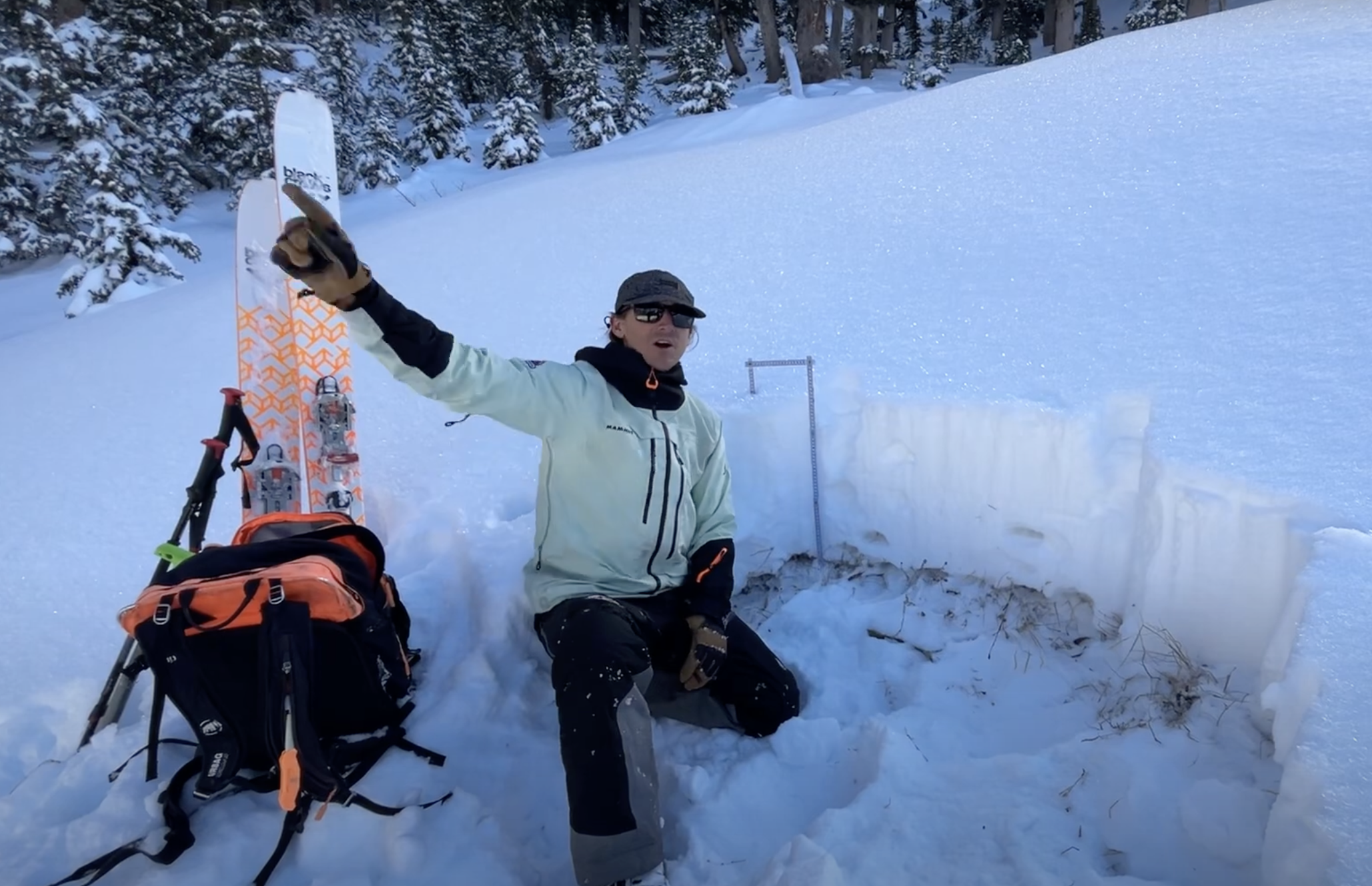
There’s a thin, brittle layer of faceted, sugary snow that formed before the storm. The 9–12 inches of new snow (and some wind-drifted pockets) landed right on top of it. That weak, faceted base can’t support much weight, which is why soft slabs are possible on steeper, shaded aspects near and above treeline.
“We’ll be paying close attention to the snow that’s currently on the ground and whether it will turn into a problematic weak layer,” for th rest of the season, Trenbeath said.
How to stay safe and get involved
Subscribe to daily forecasts: Visit utahavalanchecenter.org and select the La Sal region.
Enroll in Backcountry 101: Sign up now for the course running in late January.
Have questions? Contact Eric Trenbeath at the Utah Avalanche Center: 801-647-8896
Appreciate the coverage? Help keep local news alive.
Chip in to support the Moab Sun News.