Since the federal shutdown began on Oct. 1, Grand County volunteers with the Utah Cultural Site Stewardship Program have staffed busy trailheads and checked assigned sites—helping protect archaeological resources while many federal staff are furloughed.
“From day one, we have had volunteers eager to get out into the field, check on their assigned sites, and spend additional donated time talking with the public at popular trailheads and cultural resource locations,” said Lexi Little, coordinator for the Utah Cultural Site Stewardship Program, in an Oct. 15 interview.
“Federal land managers work very hard to ensure resources are protected but there simply are not enough archaeologists or cultural resource professionals to visit and monitor all 120,000 plus archaeological sites that are documented in the state of Utah,” Little said.
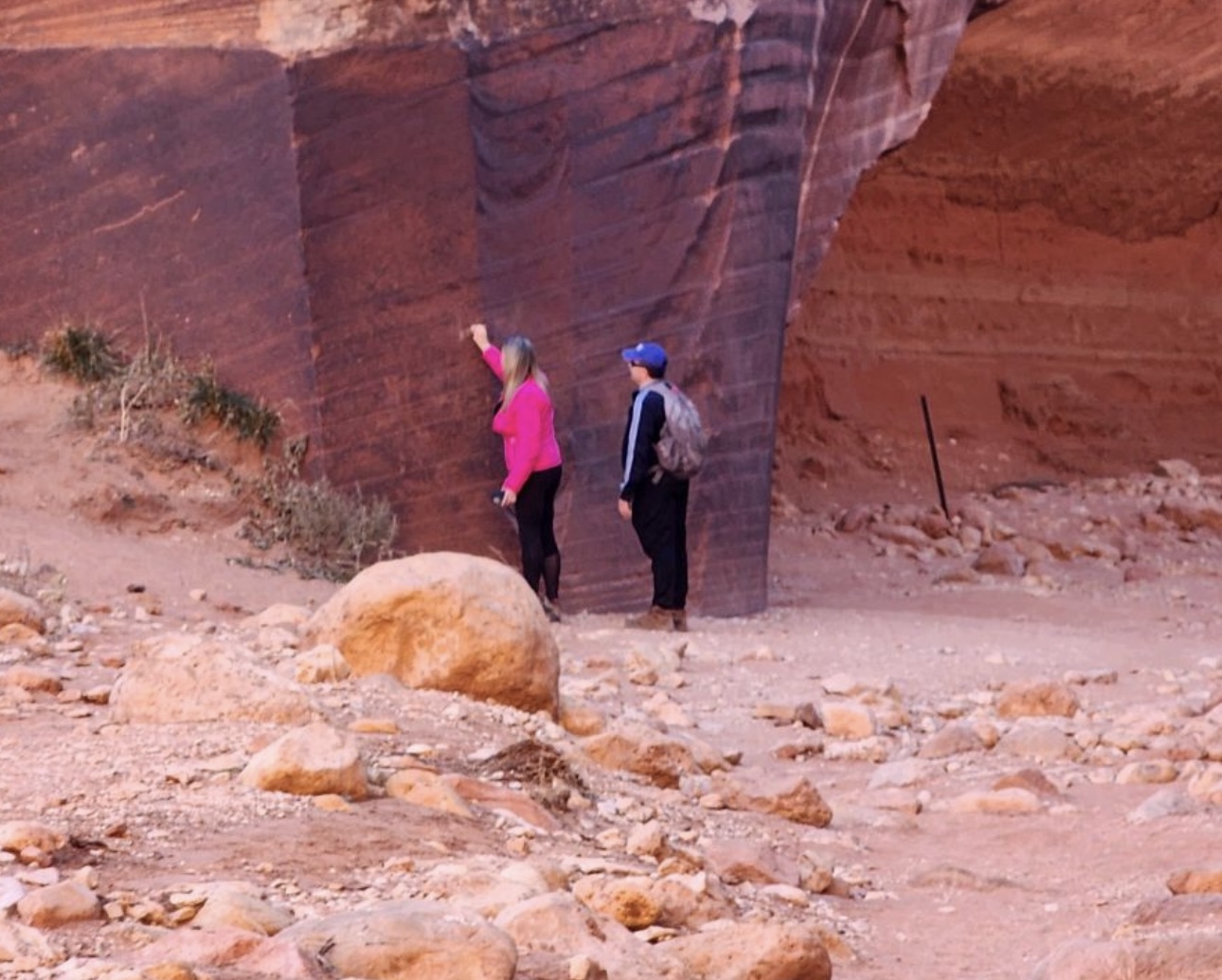
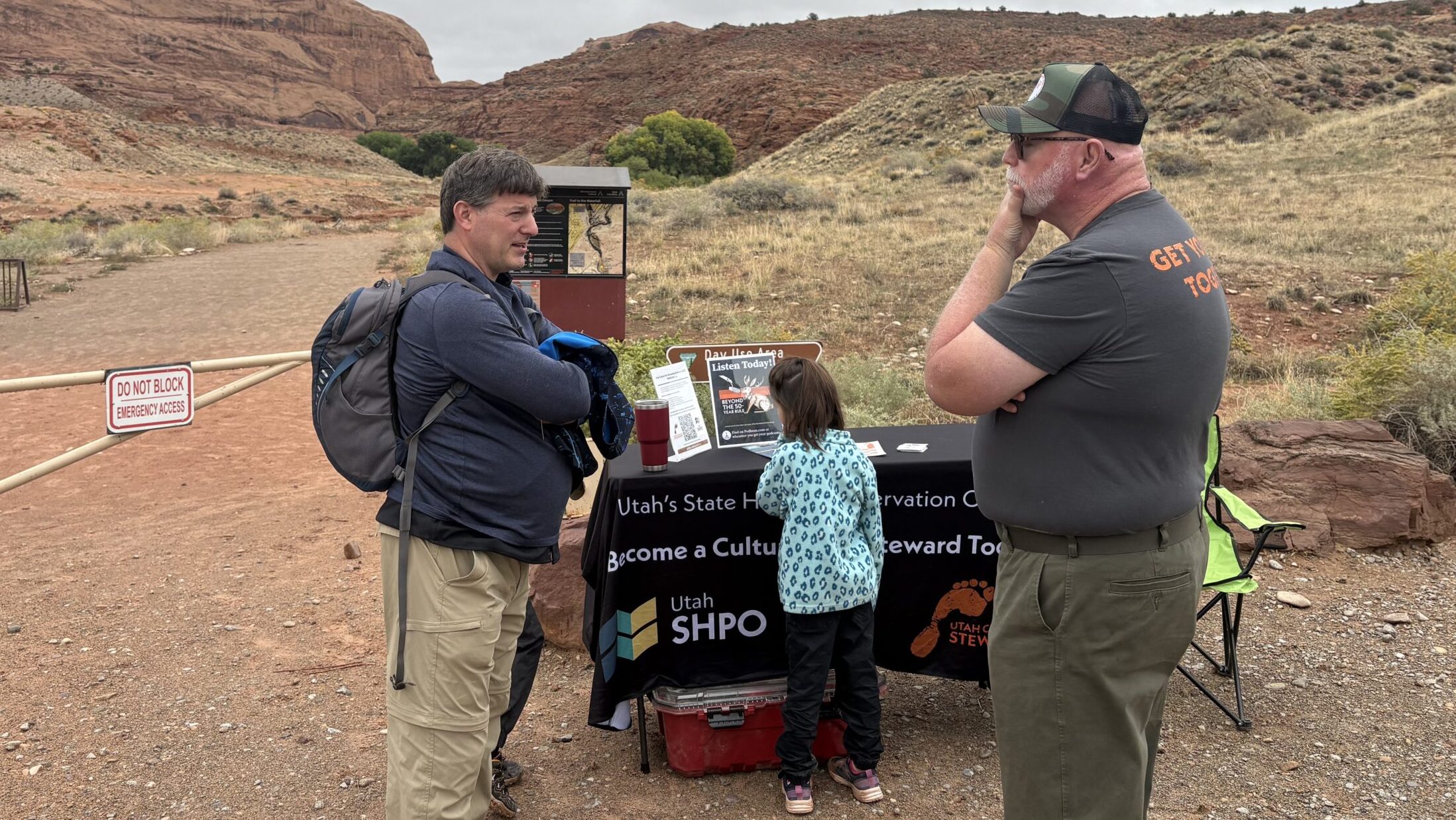
In Grand County, stewards are concentrating on high-traffic areas and popular trailheads, focusing on education and visible presence. During the shutdown, that presence matters more as routine federal monitoring is reduced and risks of accidental damage or vandalism rise.
“Volunteers see many people when they visit their sites, and many of these visitors are simply curious about the history that Utah has to offer,” Little said. “Our volunteers never step into the realm of law enforcement but are encouraged to increase awareness on respectful visitation.”
Here’s what to do right now if you encounter an issue. If you see someone actively disturbing a site, do not approach; leave, call 911, and provide clear location details. If you find non-emergency damage such as new graffiti or displaced artifacts, note the location, take photos if it is safe and lawful to do so, and report it through the UCSS contact page at https://ushpo.utah.gov/shpo/archaeology-2/ucss/ to be routed to the correct land manager.
Local institutions and agencies have helped amplify the stewardship message.
“Utah stands out because we have amazing interagency collaboration efforts,” Little said. “These partnerships are always critical, but it is even more important during times like this, to keep Utah moving forward as recreation and tourism continue.”
Residents who want to help can learn about becoming a steward—including training and time commitments—on the program page. For background on stewardship and Utah’s archaeology, the program’s podcast, “Beyond the 50-Year Rule,” is available on Spotify, Apple Podcasts, and Amazon Music.
As the shutdown continues, the program’s goal is straightforward: more eyes on the ground, more conversations at trailheads, and more care for places that tell Utah’s story—now and for future generations.
“It is important to remember that all cultural resources are connected to living peoples,” said Little. “Nothing is abandoned or forgotten, and it should be visited as such.”
Appreciate the coverage? Help keep local news alive.
Chip in to support the Moab Sun News.